

Introduction
People sometimes take the fridge for granted, even though it is one of the most useful equipment in the home nowadays. This cooling equipment has changed the way people shop, cook, and store food by keeping food fresh and encouraging better lifestyles. Before it was invented, households had to rely on ice houses, cellars, and shopping every day to keep food fresh. The fridge lets you be more flexible, makes things easier, and keeps you secure in ways that people in the past could never have imagined. Knowing what it is and how it has changed over time helps us understand why it is still so important to modern life.
Before the Refrigerator, How People Kept Food Cool

Before electric cooling was invented, people came up with clever ways to keep food from going bad. Ancient civilizations stored things in subterranean pits, stone rooms with shade, and lakes that froze over in the winter. In places with warmer weather, people often used clay pots to evaporate water. These tactics worked sometimes, but not all the time, and the weather made them less effective. The idea of a controlled cooling environment eventually led to mechanical improvements that made the first refrigerator systems possible. These first efforts set the stage for what would eventually become the refrigerator in the home.
The Beginning of Mechanical Refrigeration
In the 1700s and 1800s, people started to experiment with compressed gases and chemical cooling reactions to make artificial refrigeration. Scientists found that some gases took in heat from their surroundings as they quickly expanded. This discovery led to the creation of mechanical refrigeration systems that were first utilized in breweries and meat processing plants. As time went on, these big industrial machines got better and smaller, making them usable in homes. The first home fridge changed the way people stored food and kept it clean.
How the Inside of a Modern Fridge Works
A closed-loop cooling system is what makes a fridge work. A refrigerant moves through coils and changes from a gas to a liquid and back again. As it turns into gas inside the appliance, it takes heat from the inside compartment. Then, condenser coils let the heat out into the outside air. A thermostat keeps the temperature stable, which keeps the cooling going. Even though it sounds complicated, it happens all the time and works well, keeping food safe all day long.
Controlling the Temperature and Keeping Food Fresh

For food safety, it’s important to keep the right temperature inside. Most refrigerators are made to work between 1 and 4 degrees Celsius. This range slows down the growth of microorganisms without freezing fresh food. Consistent cooling also keeps moisture in, which helps fruits, vegetables, dairy, and cooked foods keep their texture and flavor. A fridge that is well-maintained can keep food fresh for a long time, which cuts down on food waste and saves families money.
The Design of Fridges has Changed Over Time
In the past, refrigerators were big, loud, and expensive, so they were only for the rich. As technology got better, designs got smaller, quieter, and used less energy. Adding automatic defrosting, adjustable shelves, and separate compartments made it easier to use. Today’s models are all about smart features, elegant looks, and versatile storage options. Changes in design show how people’s lives are changing, how kitchens are getting smaller in cities, and how style and convenience are becoming more important.
Improvements in Energy Use and Efficiency
Making refrigerators that use less energy has become quite important. Older models used a lot of electricity because their insulation was bad and their compressors weren’t very good. Modern appliances have better insulation, inverter compressors, and temperature sensors that are quite accurate. These new features greatly lower power use without affecting performance. An energy-efficient fridge not only saves you money on your power bill, but it also helps the environment over time.
How Refrigeration Affects How People Eat
Refrigeration has changed the way people eat all throughout the world. People can now keep fresh fruits, vegetables, dairy, and meats for extended periods of time. This means they can shop once a week or once a month instead of every day. This change makes it easier to plan meals and eat a variety of foods. The fridge has also made leftovers a routine part of cooking at home, which cuts down on waste and saves time. It affects more than just storage; it also affects how food is cooked and eaten.
Taking Care of and Cleaning a Fridge
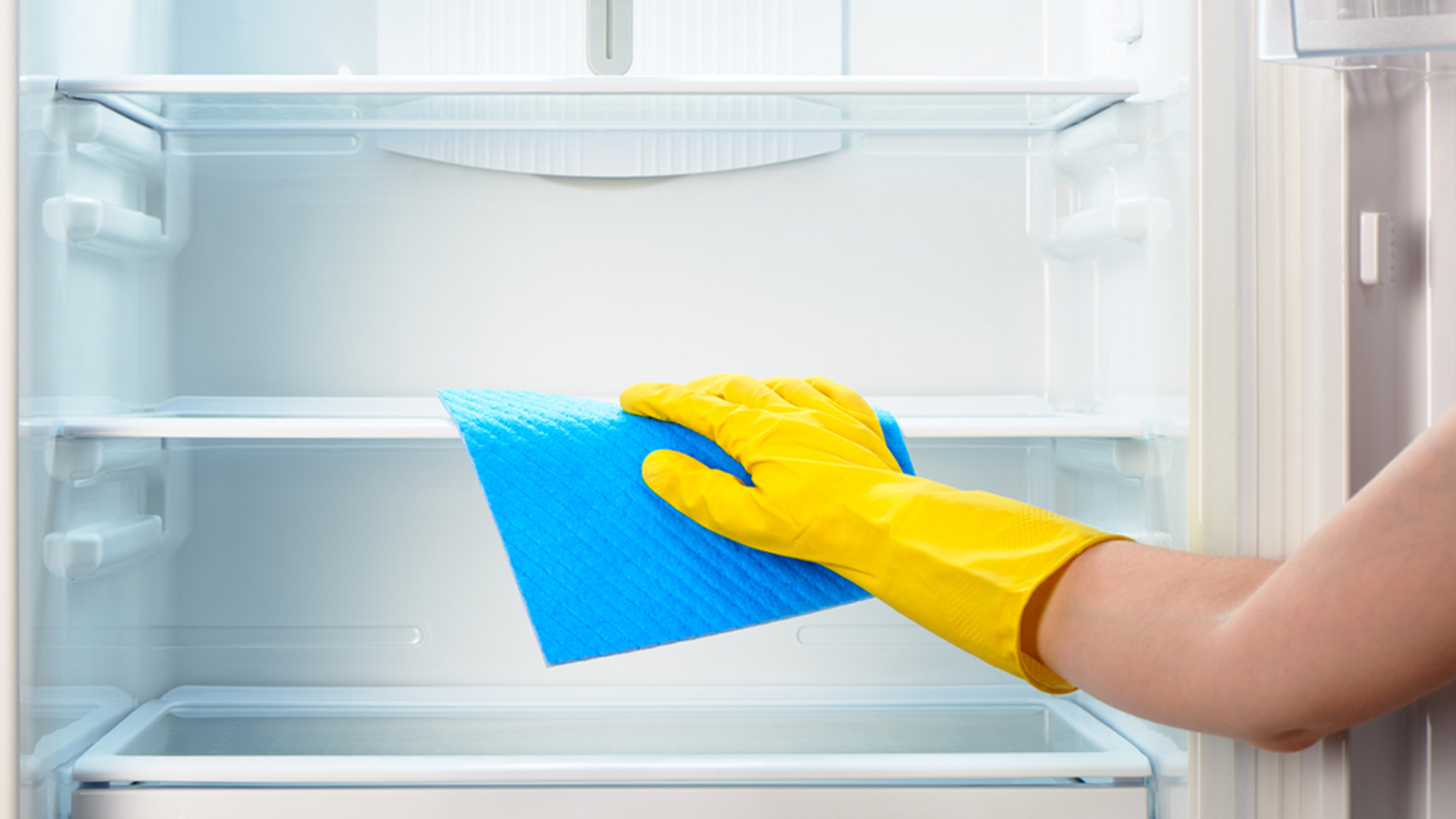
To keep your refrigerator working well and your food safe, it needs to be clean. Spills and things that have gone bad can hold microorganisms and bad smells. Cleaning shelves, drawers, and door seals on a regular basis helps keep the storage area healthy. Never restrict proper ventilation, because it keeps everything cool evenly. Regular maintenance keeps the fridge running well and makes it last longer.
Smart Technology in Today’s Refrigerators
Refrigerators are now smart appliances thanks to the incorporation of technology. Some variants have digital temperature displays, inbuilt cameras, and the ability to connect to mobile apps. With these features, customers may check on items from afar, get warnings for maintenance, and make precise changes to settings. Smart features aren’t necessary, but they show how the fridge is still adapting to modern digital lives.
Storage Zones and Why They Matter
There are different parts of a refrigerator that are made for different things. Lower shelves are usually colder, which is good for raw goods. Door compartments are warmer and better for condiments. Crisper drawers keep fruits and vegetables at the right degree of humidity. Knowing these zones helps people store food properly, which keeps it fresh and cuts down on waste.
Dual Cooling Systems with Freezer Integration
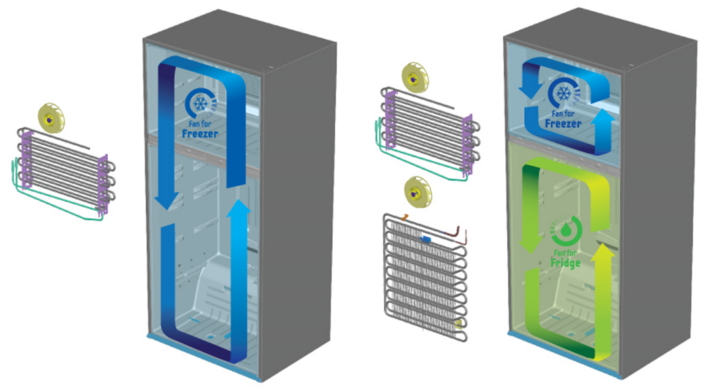
Most new refrigerators have freezers built in, either on the top, bottom, or side. More advanced models have two cooling systems that keep the air in the freezer and refrigerator separate. This keeps the humidity levels in each compartment at the right level and stops smells from moving from one compartment to another. The freezer makes the fridge more useful by letting you store food for a long time without losing quality.
Things to Think about for the Environment and Refrigerants
Refrigerants that harm the ozone layer were utilized in older refrigerators. Awareness of the environment led to the creation of safer options that don’t cause as much global warming. Recyclable materials and eco-friendly refrigerants are currently the most important things to manufacturers. These adjustments show how the freezer industry is responding to worries about global sustainability while still meeting performance standards.
Common Problems with Refrigerators and What Causes Them
Even though technology has become better, refrigerators can still have problems like not cooling evenly, making too much noise, or leaking water. Blocked vents, old door seals, or broken thermostats are often the cause of these problems. Fixing little problems early on stops bigger ones from happening. Users can tell when they require expert service by knowing how the basic functions work.
How to Pick the Best Refrigerator for You
The size of your household, the size of your kitchen, and how you want to use the refrigerator all affect which one you should choose. Layout, storage space, and energy efficiency are all important factors. Some families care more about having room in the freezer, while others care more about having shelves that can be moved about. A good fridge helps with daily tasks and makes the kitchen work better.
The Impact of Refrigeration on Culture and Society
Refrigeration has changed the way people live and the way they do things. It helped cities grow by making it easier to distribute food from one place. Refrigeration is very important for restaurants, hospitals, and grocery stores. The fridge at home is a common space for the whole family, and it shows how they eat and live. It is an important part of modern life.
New Ideas for Refrigerator Technology in the Future
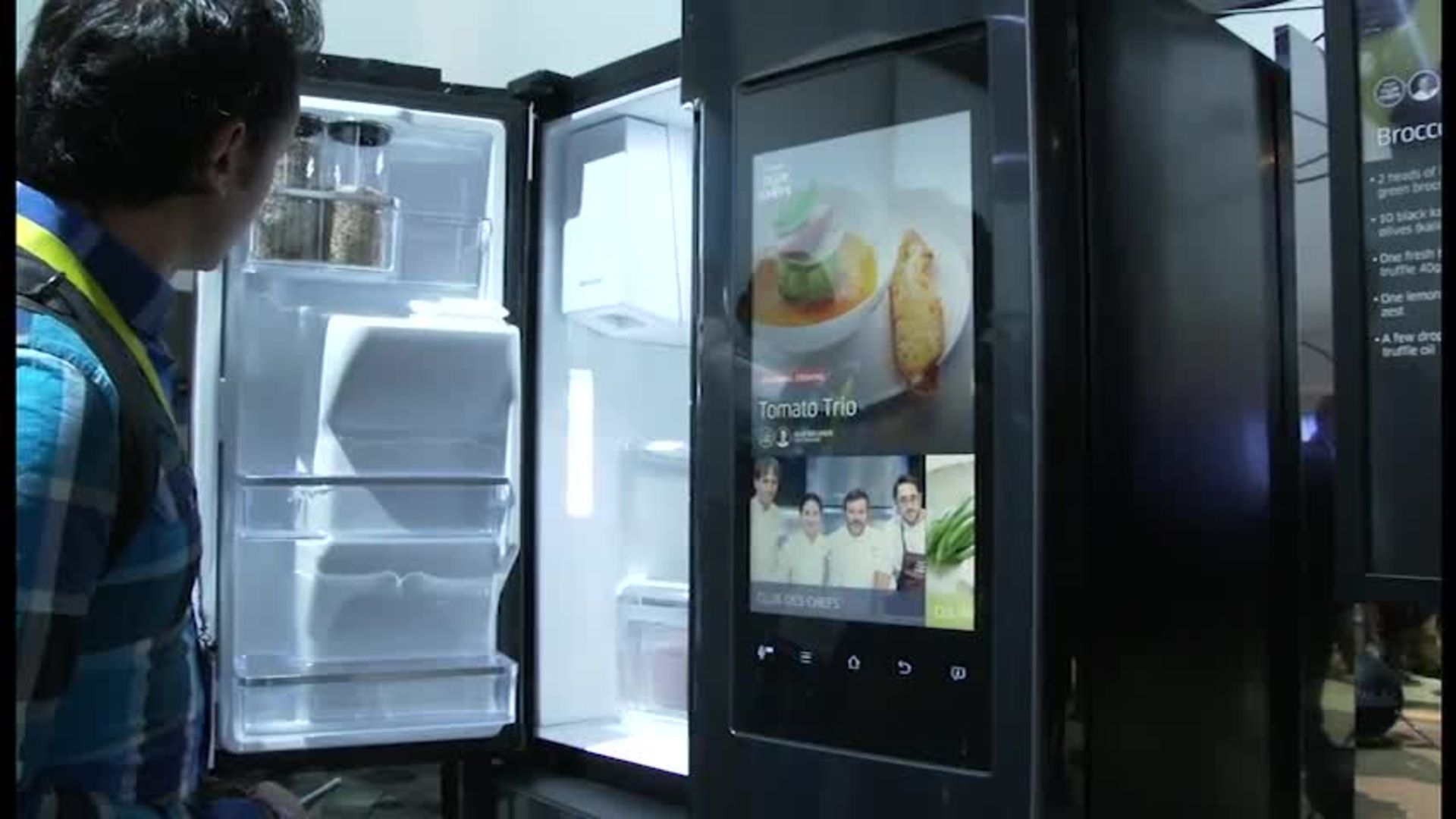
The future of refrigeration is all about being eco-friendly, automating things, and making them fit your needs. Research looks into solar-powered systems, AI-driven temperature control, and materials that break down in the environment. The fridge will keep altering to meet new needs as lives change. Innovation keeps this important item useful and useful for future generations.
Table One: Different Types of Fridges and What They Are Good For
| Fridge Type | Key Features | Ideal Usage |
|---|---|---|
| Single Door | Compact size, basic cooling | Small households |
| Double Door | Separate freezer, better storage | Medium families |
| Side by Side | Vertical compartments, large capacity | Large households |
| Smart Fridge | Digital controls, connectivity | Tech focused homes |
Table Two: Temperature Zones and Suggested Storage
| Zone | Average Temperature | Suitable Foods |
|---|---|---|
| Upper Shelf | 4°C | Cooked meals, dairy |
| Middle Shelf | 3°C | Eggs, packaged foods |
| Lower Shelf | 2°C | Raw ingredients |
| Crisper Drawer | Variable humidity | Fruits and vegetables |
Conclusion: Knowing How Much the Fridge is Worth
The fridge is more than just a box that keeps things cool. It stands for development in technology, better health standards, and modern ease. It has changed how food is stored and eaten from its early days to its more advanced forms. Users may get the most out of it and appreciate how it fits into their daily lives by learning how it works, how to take care of it, and how it has changed over time. Refrigeration technology is still becoming better, which means that fridges will always be a necessary feature of houses all over the world.
Read More:- Mini Fridge Guide for Homes, Offices, Travel and Small Spaces Use