
Introduction
Fridge temperature is one of the most overlooked yet critical factors in modern food storage. While refrigerators are present in almost every household, many users never pause to consider whether the internal cooling environment is truly optimized. A refrigerator that looks clean and runs quietly can still be storing food at an unsafe or inefficient level. This makes fridge temperature not just a technical setting but a daily influence on health, taste, and household costs. When the cooling balance is correct, food stays fresh longer, flavors remain intact, and energy consumption stays under control.
The science behind fridge temperature connects biology, physics, and lifestyle habits. Bacteria growth, moisture retention, compressor cycles, and seasonal climate changes all play roles. This article explores the topic in depth, moving beyond common advice and offering a complete understanding that is different from typical surface-level explanations. Each section builds on the last to give a clear, structured picture of how fridge temperature affects everyday life.
The Science Behind Cooling Inside a Refrigerator
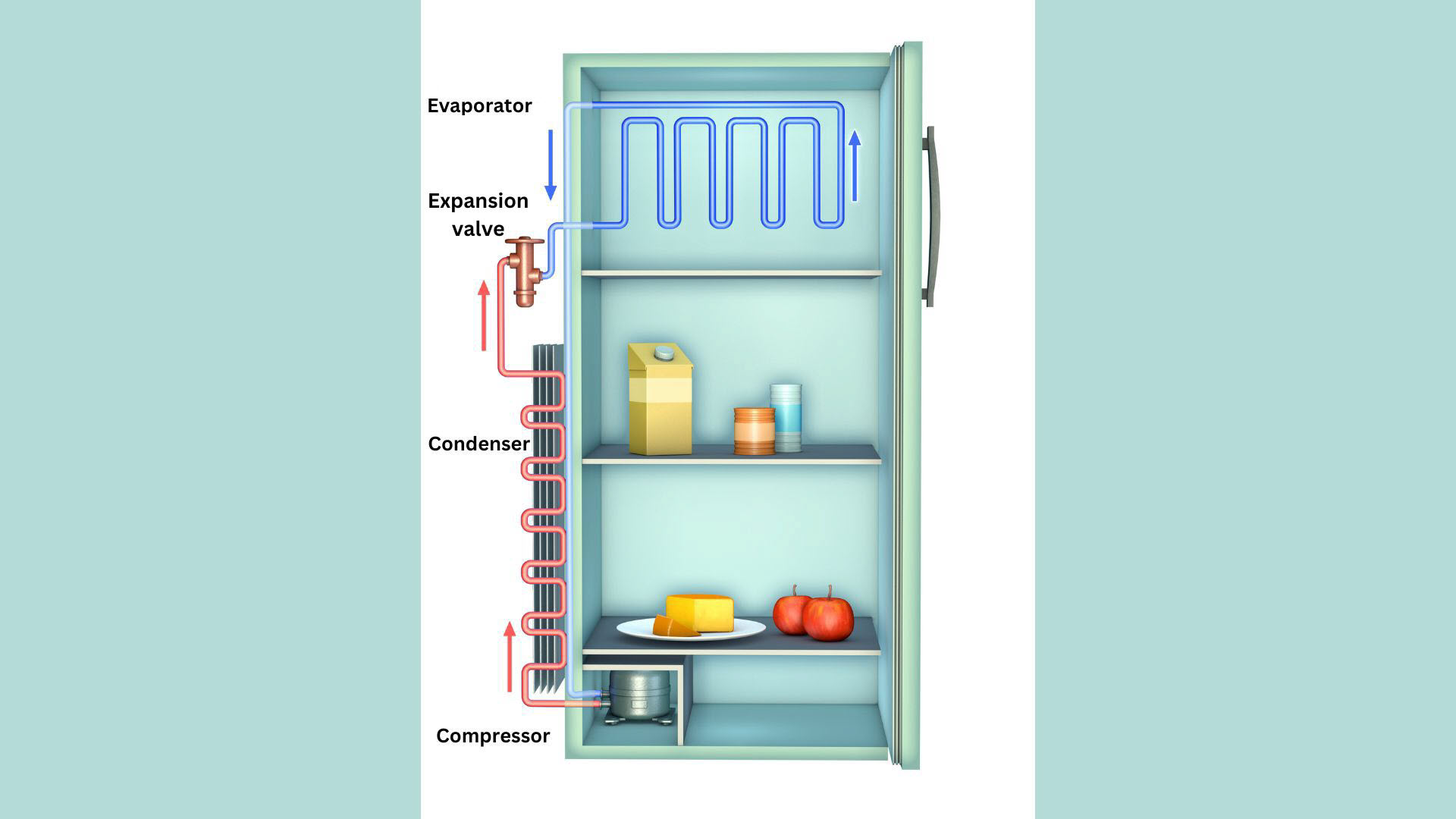
To understand fridge temperature, it helps to look at how cooling actually happens inside a refrigerator. Cold air is produced by a refrigeration cycle that absorbs heat from the interior and releases it outside. This cold air does not remain static. It circulates, sinks, rises, and mixes depending on shelf placement, load size, and door usage. As a result, temperature is never perfectly uniform throughout the appliance.
Food safety depends on slowing microbial activity. Most bacteria thrive in warmer conditions, multiplying rapidly as temperatures rise. Lowering the internal environment reduces their growth rate, extending the safe lifespan of food. However, excessively cold settings can damage textures, cause dehydration, and increase electricity use. Fridge temperature therefore exists within a narrow window where safety and quality overlap.
Ideal Fridge Temperature for Everyday Use
The ideal fridge temperature is generally considered to be cold enough to slow bacteria without freezing fresh items. This balance ensures that dairy products remain smooth, vegetables stay crisp, and cooked foods retain their original taste. Many refrigerators display numbers or dials that do not directly reflect actual degrees, which often leads to confusion.
Maintaining a stable internal climate is more important than chasing the lowest possible setting. When the fridge temperature remains consistent, food experiences less condensation and fewer quality changes. Sudden fluctuations can lead to moisture buildup, faster spoilage, and uneven cooling across shelves.
How Fridge Temperature Affects Food Quality
Food quality is deeply connected to fridge temperature, not just from a safety perspective but also in terms of flavor and texture. Fruits and vegetables respond differently to cold environments. Some produce releases ethylene gas, which accelerates ripening, while others are sensitive to chilling injury. Meat and dairy rely on cold stability to prevent off-odors and separation.
When fridge temperature is too warm, milk may sour faster, cooked leftovers can develop unpleasant smells, and sauces may spoil before their expected date. When it is too cold, leafy greens can wilt, fruits can lose sweetness, and liquids may partially freeze. Achieving balance is essential for preserving both nutrition and enjoyment.
Common Myths About Fridge Temperature
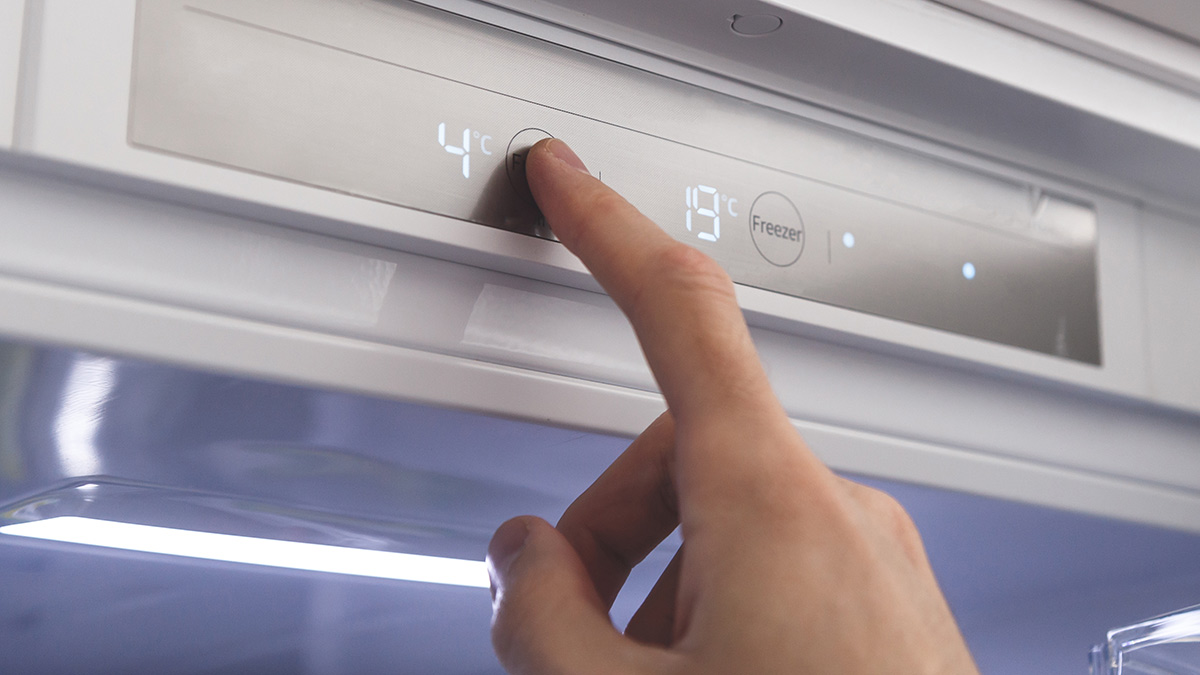
Many households believe that colder is always better when it comes to fridge temperature. This myth often leads to unnecessary energy use and damaged food. Another common misconception is that the top and bottom shelves maintain the same cooling level. In reality, air circulation patterns create natural temperature differences.
There is also a belief that once set, fridge temperature never needs adjustment. Seasonal changes, food load variations, and appliance aging all affect cooling performance. Understanding these myths allows users to make informed adjustments rather than relying on assumptions passed down over time.
Seasonal Changes and Their Impact on Fridge Temperature
Climate plays a significant role in how a refrigerator performs. During hot seasons, the appliance works harder to expel heat, which can cause internal temperatures to rise if not properly adjusted. In colder months, the same settings may result in overly cold conditions.
Humidity levels also influence fridge temperature effectiveness. High humidity increases condensation, while low humidity can dry out food faster. Adjusting settings slightly with the seasons helps maintain a stable internal environment and reduces stress on the compressor.
The Relationship Between Fridge Temperature and Energy Efficiency
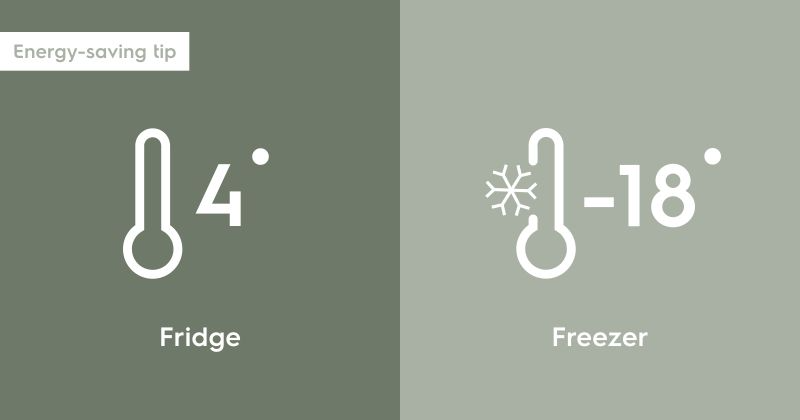
Energy efficiency is closely tied to fridge temperature. Lower settings force the compressor to run more frequently and for longer durations. This increases electricity consumption and accelerates wear on mechanical components. Over time, this can shorten the lifespan of the refrigerator.
Conversely, settings that are too warm can also lead to inefficiency. Spoiled food must be discarded and replaced, indirectly increasing energy usage through additional shopping and storage cycles. Finding the optimal fridge temperature supports both sustainability and cost savings.
Fridge Temperature Zones and Shelf Placement
Not all areas inside a refrigerator experience the same cooling intensity. Understanding internal zones helps users store food more effectively. The back of the fridge is usually colder than the front, and lower shelves often remain cooler than upper ones.
The following table illustrates typical internal zones and their general temperature behavior.
| Fridge Area | Temperature Behavior | Best Use |
|---|---|---|
| Top Shelf | Slightly warmer and stable | Ready-to-eat foods |
| Middle Shelf | Balanced cooling | Dairy and leftovers |
| Bottom Shelf | Coldest area | Raw ingredients |
| Door Shelves | Most variable | Condiments and drinks |
Using this knowledge allows fridge temperature to work with food placement rather than against it.
Measuring Fridge Temperature Accurately

Many refrigerators rely on built-in indicators that may not reflect the true internal environment. These indicators often measure air temperature near a sensor rather than the average condition throughout the compartment. For a more accurate understanding, independent measurement is helpful.
Placing a thermometer in a central location for several hours provides a clearer picture. Checking readings at different times of day reveals how door usage and compressor cycles affect fridge temperature. This practice transforms guesswork into precision.
Adjusting Fridge Temperature for Different Households
Household size and habits influence ideal fridge temperature settings. A single person with minimal storage needs may experience more temperature fluctuations due to frequent empty space. Larger families with full refrigerators benefit from thermal mass that stabilizes cooling.
Cooking frequency, grocery shopping patterns, and cultural food preferences all affect internal conditions. Spicy sauces, fermented items, and fresh produce each respond differently to cold storage. Adjusting fridge temperature to match lifestyle ensures consistent results.
Fridge Temperature and Food Safety Standards
Food safety authorities emphasize temperature control as a primary defense against contamination. Proper fridge temperature slows bacterial growth but does not eliminate it entirely. This means storage time still matters even under ideal conditions.
Leftovers should be cooled promptly before storage to avoid raising internal temperatures. Overloading the fridge with hot food forces the system to compensate, temporarily disrupting the cooling balance. Awareness of these interactions enhances safety without complicating daily routines.
The Impact of Door Usage on Fridge Temperature
Every time the refrigerator door opens, warm air enters and cold air escapes. Frequent or prolonged openings cause temporary spikes in fridge temperature. Over time, this repeated stress can lead to uneven cooling and increased energy use.
Organizing food for quick access minimizes door-open time. Knowing where items are stored reduces unnecessary searching and helps maintain a stable internal environment. Small behavioral changes can significantly improve overall performance.
Fridge Temperature and Modern Technology
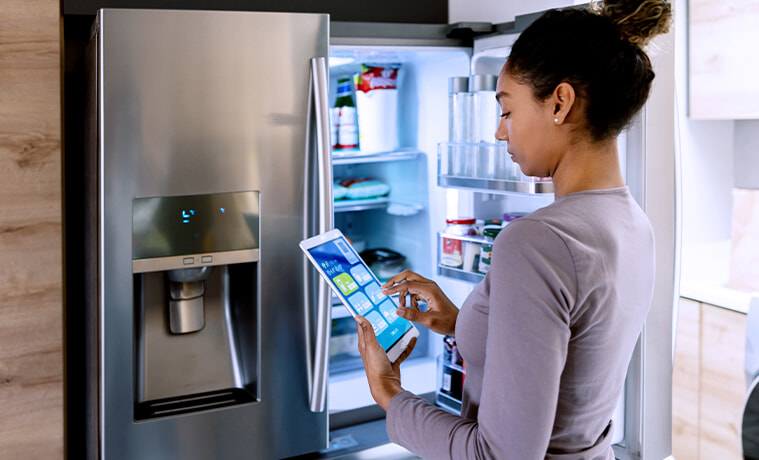

Modern refrigerators incorporate advanced sensors and adaptive cooling systems. These technologies monitor usage patterns and adjust cooling output automatically. While helpful, they still rely on user input for baseline settings.
Smart features can provide alerts when fridge temperature drifts outside the optimal range. This allows for early correction before food quality is compromised. Technology enhances control but does not replace fundamental understanding.
Long-Term Effects of Incorrect Fridge Temperature
Consistently incorrect fridge temperature can have long-term consequences. Food waste increases, energy bills rise, and appliance components wear out faster. Over time, seals may weaken, and compressors may fail prematurely.
Health risks also accumulate. Repeated exposure to improperly stored food increases the chance of foodborne illness. These effects may not be immediately noticeable, making prevention through correct temperature management even more important.
Comparing Temperature Needs of Different Food Types
Different foods have distinct storage needs that interact with fridge temperature. Understanding these differences helps prioritize placement and settings. The following table provides a general comparison.
| Food Category | Temperature Sensitivity | Storage Outcome |
|---|---|---|
| Dairy Products | Moderate sensitivity | Texture and taste depend on stability |
| Fresh Produce | High variability | Crispness affected by cold levels |
| Cooked Foods | High safety concern | Shelf life linked to cooling speed |
| Beverages | Low sensitivity | Quality remains stable |
Aligning fridge temperature with these needs reduces spoilage and preserves quality.
Maintaining Stable Fridge Temperature Over Time
Stability is the true goal of fridge temperature management. Regular maintenance supports this stability. Cleaning coils, checking door seals, and avoiding overcrowding all contribute to consistent cooling.
Periodic review of settings ensures the refrigerator adapts to changes in household routines. Stability reduces energy spikes and keeps food fresher for longer periods.
Psychological Comfort and Fridge Temperature
There is also a psychological aspect to fridge temperature. Confidence in food safety reduces stress and decision fatigue. When users trust their refrigerator’s performance, meal planning becomes easier and waste decreases.
This sense of control is often overlooked but plays a role in overall kitchen satisfaction. A well-managed fridge becomes a reliable partner rather than a source of uncertainty.
Fridge Temperature in the Context of Sustainability

Sustainability efforts often focus on large lifestyle changes, but fridge temperature management is a subtle yet impactful action. Reducing food waste lowers environmental strain from production and transportation. Efficient cooling reduces electricity demand.
Over time, small adjustments contribute to a more sustainable household without sacrificing comfort or convenience. Awareness turns everyday habits into meaningful contributions.
The Future of Fridge Temperature Control
As appliance technology evolves, fridge temperature control will become even more precise. Future systems may integrate predictive algorithms that adjust cooling based on shopping patterns and seasonal changes.
Despite these advancements, user understanding will remain essential. Technology works best when paired with informed habits and conscious decision-making.
Conclusion: Mastering Fridge Temperature for Better Living
Fridge temperature is far more than a simple setting. It is a dynamic factor that influences health, taste, energy use, and sustainability. By understanding how cooling works, recognizing internal zones, and adapting to lifestyle and seasonal changes, users can transform their refrigerator into a highly efficient food preservation system.
Managing fridge temperature with intention leads to safer meals, reduced waste, and lower energy costs. This balance between science and daily practice turns an ordinary appliance into a powerful tool for better living.
Read More:- Fridge for Sale Guide: Smart Buying, Storage, Design and Value UX