

Introduction
Refrigeration has been a key part of how modern kitchens have changed into places where technology, architecture, and lifestyle come together. The sub zero fridge is more than just a basic cooler; it combines precision engineering with long-term food preservation and easy integration into the kitchen. This type of refrigeration is engineered to last, be easy to fix, and work consistently for decades, unlike mass-market appliances that are only meant to be replaced every few years. To understand why it is so different from other appliances, you need to look at where it came from, how it works, what it’s made of, and how it changes the way people cook every day.
Where Premium Built-In Refrigeration Comes From
)
The idea behind premium built-in refrigeration came from a simple but big idea: food should be stored in circumstances that are more like those found in professional kitchens and food labs than in ordinary homes. Early inventors knew that home freezers had problems with temperature changes, losing moisture, and uneven ventilation. These problems changed the taste, texture, and shelf life of the meal. The sub zero fridge solved these challenges by focusing on precise temperature control, discrete cooling zones, and a cabinet-style installation that fit in with high-end kitchen design. This way of thinking set a new standard for what people may anticipate from their home refrigerators over time.
Engineering Principles that set Standards for Performance
The main idea behind this type of refrigerator is a set of engineering rules that emphasize on stability instead of speed. These systems focus on soft, steady airflow and small temperature ranges instead than harsh cooling cycles that change. The sub zero fridge has separate cooling systems for the refrigerator and freezer parts, which keeps smells from moving between them and keeps the moisture level consistent. Compressors, evaporators, and condensers are made to last, not to save money on production. This method lowers mechanical stress and keeps things inside stable, even when doors are opened a lot during the day.
The Effect of Temperature Precision on Food
One of the most important yet often ignored parts of home refrigeration is temperature accuracy. Small changes can make food go bad faster, help bacteria flourish, or hurt fragile foods. Sensors in a sub zero fridge keep an eye on the inside and make little changes to keep things in the best possible ranges. This stability is very important for fresh fruits and vegetables, dairy products, and proteins because they might be damaged by heat and dryness. Foods stay fresh longer and taste better without preservatives because they keep their natural moisture and structure by decreasing fluctuations.
Using Humidity Control to Keep Things Fresh
Humidity is very important for keeping food fresh, yet many regular refrigerators don’t pay much attention to it. Advanced refrigeration systems have built-in humidity controls that let various compartments hold different types of food. Higher humidity is good for leafy greens, but fruits often need slightly drier conditions to hold down ripening. The sub-zero fridge has sealed crisper areas that keep the right amount of moisture in them. This makes fresh products last longer and cuts down on food waste in the home in a measurable way.
Materials and Building Philosophy

Building high-end refrigerators is very different from building regular ones. The choice of heavy-gauge steel, strengthened door hinges, and modular interior parts is based on how long they will last, not how cheap they are. The inside of the sub-zero fridge is made to withstand stains and odors, while the outside panels are made to fit flush with the cabinets. This focus on materials not only makes them last longer, but it also makes sure that they work well all the time because the strength of the structure impacts how well the insulation works and how stable the temperature is.
Built-in Design and Integration with Architecture
The way this type of refrigerator fits into kitchen architecture is one of its most important features. Instead than being a separate appliance, it becomes one of the cabinets. A sub zero fridge is usually fitted such that it is flush with the panels around it. This helps designers keep clean lines and a consistent look. This integration works with both modern and traditional kitchen styles, showing that high-performance refrigeration doesn’t have to look bad. This style of kitchen planning and interior design has had an impact on other styles over time.
Good Management and Comfort Every Day
People typically forget about noise when judging the quality of an appliance. Fans and compressors that make a lot of noise might make it hard to live in an open-plan room. Premium refrigeration systems are made with soundproofing and balanced parts to make as little noise as possible when they are running. Even when the chilling cycles are at their busiest, the sub zero fridge runs quietly, making the home more pleasant. This focus on sensory experience is part of a larger design philosophy that prioritizes subtlety and refinement over performance that is obvious yet distracting.
Table One: A Look at Different Ways to Cool
| Feature Focus | Standard Household Refrigerator | Premium Built-In Refrigeration |
|---|---|---|
| Cooling System | Single shared system | Independent refrigerator and freezer systems |
| Temperature Stability | Moderate fluctuations | Tight, controlled temperature range |
| Humidity Management | Basic or limited | Zoned, adjustable humidity control |
| Expected Lifespan | Short to medium term | Long-term, serviceable design |
Food Safety and Trust in Long-Term Storage
For modern families, food safety is just as important as taste and texture. Maintaining stable temperatures and humidity levels lowers the chances of bacteria growing and spreading. In a fridge with a sub-zero setting, the separation of the cooling areas keeps the air in the freezer from drying out fresh items and the air in the fridge from picking up smells from the freezer. This division helps people store food more safely and gives families that care about cooking fresh meals and handling food safely peace of mind.
How Energy use and Efficiency Change Over Time
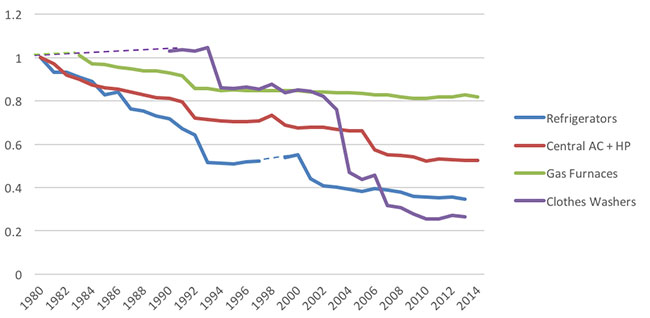
Initial consumption ratings are commonly used to quantify energy efficiency, but long-term performance gives a better picture. Premium refrigeration may use parts that are a little stronger, but these systems are designed to run steadily rather than have a lot of high-energy cycles. The sub-zero refrigerator is built to last for many years without losing efficiency, unlike cheaper models that lose performance over time. When looked at over its whole life, the total energy effect becomes competitive, especially when you think about how much less food waste is an element of home sustainability.
Adaptability to Climate and Environmental Conditions
There are homes in many different climates, from dry, high-altitude areas to humid coastal areas. Refrigeration systems need to change without affecting the conditions within. High-end units can work well no matter what the outside temperature is because they have advanced insulation, compressors that can be changed, and controls that respond quickly. Even when it’s hot outside or the seasons change, the sub-zero fridge keeps its insides stable, so food preservation requirements stay the same all year.
Care, Serviceability, and Longevity
One of the main differences between premium and regular refrigeration is how they think about service. Instead of seeing appliances as throwaways, high-end systems are made to be fixed and maintained. Parts are easy to get to, and the designs take into account future maintenance demands. Long-term parts availability generally supports the sub zero fridge, which lets homeowners use it for much longer than the usual time in the business. This method fits with the growing desire for eco-friendly ownership and less trash in landfills.
Table Two: How Ownership Changes Over Time
| Ownership Aspect | Short-Term Appliance | Long-Term Premium Appliance |
|---|---|---|
| Replacement Cycle | Frequent upgrades | Decades of use |
| Repair Approach | Limited or impractical | Designed for serviceability |
| Performance Consistency | Declines over time | Maintains original standards |
| Environmental Impact | Higher waste generation | Reduced waste footprint |
How Refrigeration Affects Cooking Life
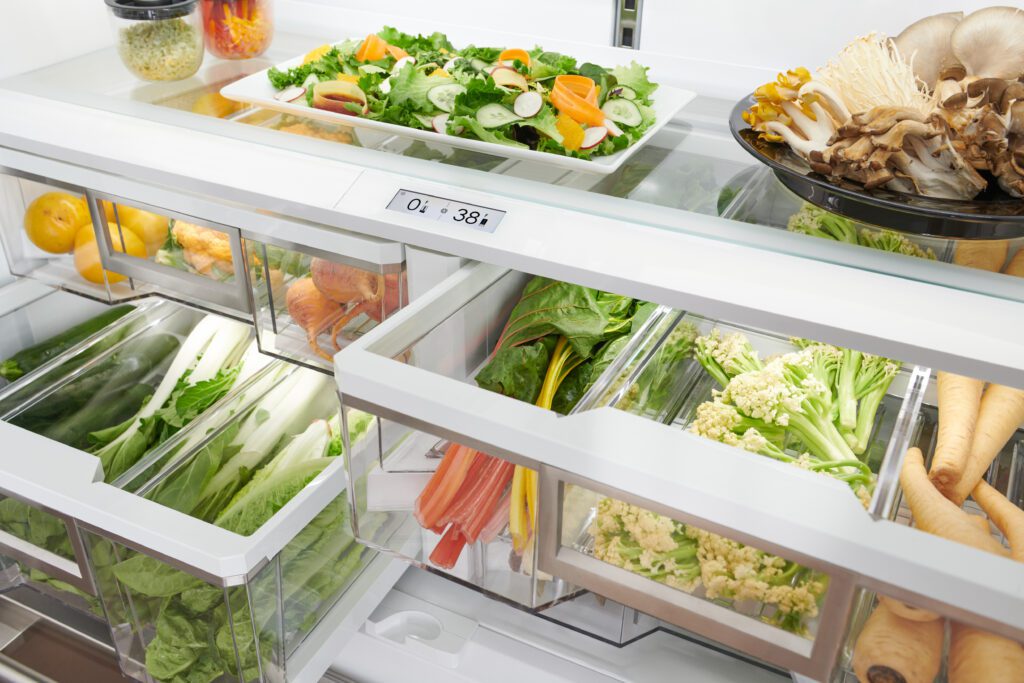
Refrigeration is more than simply a place to store food for people who cook a lot; it’s also part of the cooking process. When stored in the right way, ingredients act more consistently when you prepare and cook them. A sub-zero fridge keeps herbs, meats, and dairy at their best, which lets you be creative in the kitchen. This stability makes home cooks more likely to try new products because they know that their money won’t be wasted on food that isn’t stored properly.
Long-lasting Beauty and Timeless Appeal
Kitchen design trends change all the time, but built-in refrigerators are meant to last, not be trendy. These systems will still look good even when the decor around them changes since they have clean lines, adjustable panels, and subtle branding. The sub zero fridge may change with renovations and style modifications, which makes it a long-term buy instead of a trend-driven one.
Technological Progress Without Too Much
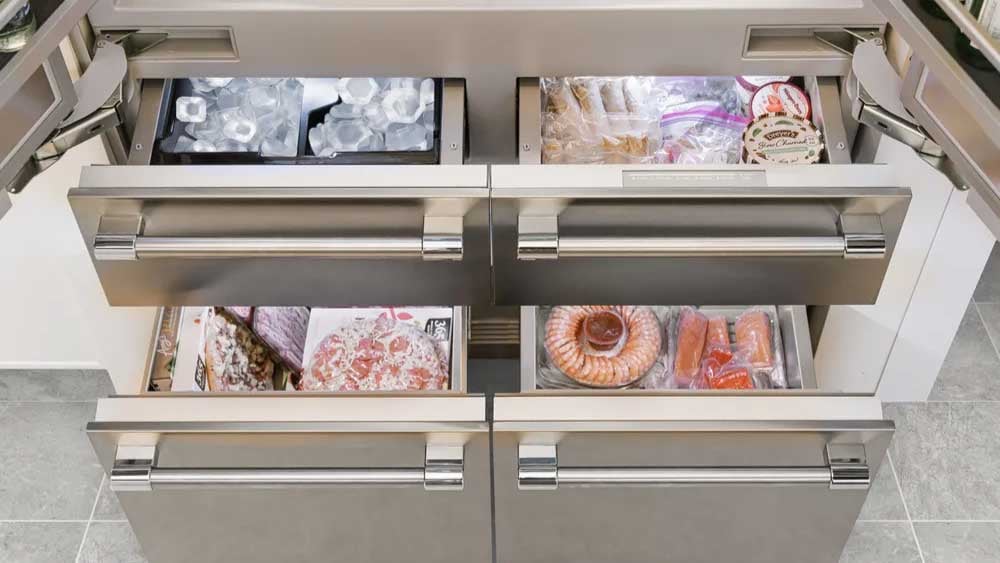
Modern appliances tend to focus on connectivity and digital capabilities, but high-end refrigerators take a more measured approach. Technology is only utilized when it makes things work better and more reliably, not just for fun. The sensors, controls, and diagnostics in a sub-zero fridge are all about keeping things running smoothly and making maintenance easier. This restriction lowers the chance of becoming obsolete and makes sure that the core functionality stays useful for decades.
The Experience of Ownership and Daily Interaction
Having high-end refrigeration impacts how we do things every day in small ways. Food keeps fresh longer, grocery trips are easier to arrange, and meal planning doesn’t feel as rushed. A sub zero fridge runs quietly and has a structure that makes it easy to find things, which makes the kitchen feel peaceful and organized. Over time, these tiny benefits add up to a household experience that is very different, where refrigeration supports your lifestyle instead than controlling it.
Investment Point of View and Long-Term Worth
From a financial point of view, premium refrigeration is an investment, not a short-term cost. The overall value equation changes since the initial expenses are higher, but the lifespan is longer, the performance is more constant, and the replacement frequency is lower. The sub-zero fridge is still useful and can be sold again, especially in homes where built-in appliances are an important component of the design.
The Future of High-End Refrigeration
In the future, high-end refrigeration will probably get even more efficient, smarter at diagnosing problems, and work even better with other kitchen appliances. The basic ideas of stability, durability, and keeping food fresh will, however, stay the same. The subzero fridge is an example of this future. It shows that real innovation comes from improving the basics instead than following short-lived trends.
Conclusion: Changing the Way We Think About Refrigeration
People often take refrigeration for granted, yet it is very important for health, sustainability, and comfort every day. The sub-zero fridge has changed what people expect from household appliances by focusing on accuracy, durability, and smart design. Its impact goes beyond only cooling; it also affects architecture, food culture, and responsible ownership. This way of refrigerating things shows a strong vision of lasting worth and performance in a world that is more focused on quality than quantity.
Read More:- Frigidaire Mini Fridge Guide: Compact Cooling with Smart Design