
Introducution
Standing seam metal roofing has become one of the most preferred roofing systems for residential, commercial, and industrial buildings due to its durability, modern appearance, and superior weather resistance. A proper standing seam metal roof installation not only enhances the visual appeal of a structure but also ensures long-term performance with minimal maintenance. Understanding how this roofing system works, how it is installed, and what makes it different from other roofing options is essential for homeowners, contractors, and builders alike.
This comprehensive guide explains every aspect of standing seam metal roof installation in detail, from preparation and materials to step-by-step installation and long-term maintenance. Whether you are planning a new construction project or replacing an old roof, this article will help you make informed decisions.
Understanding Standing Seam Metal Roofing
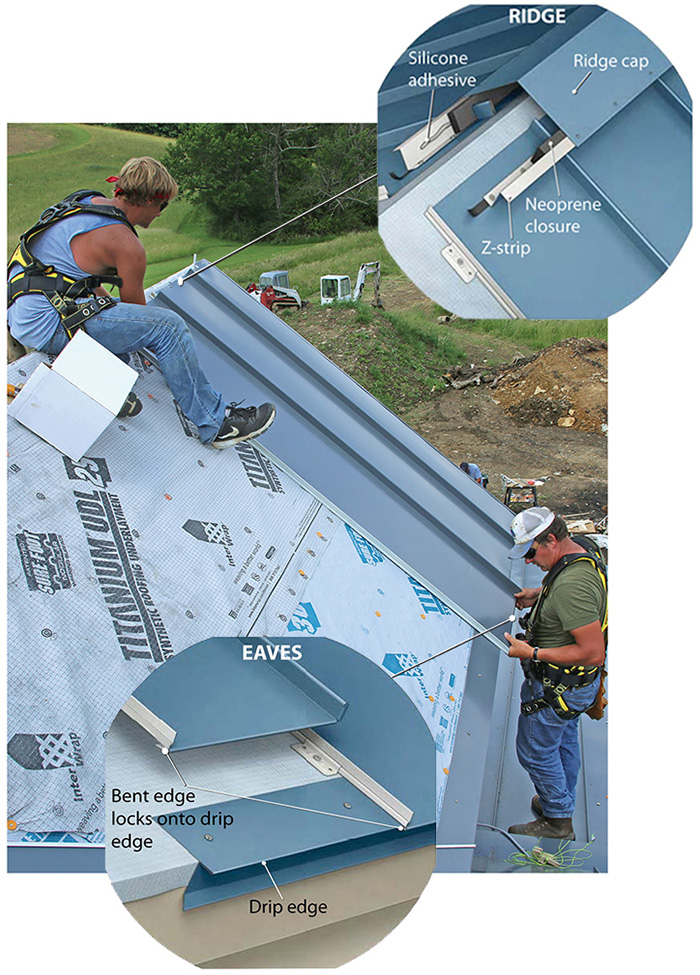
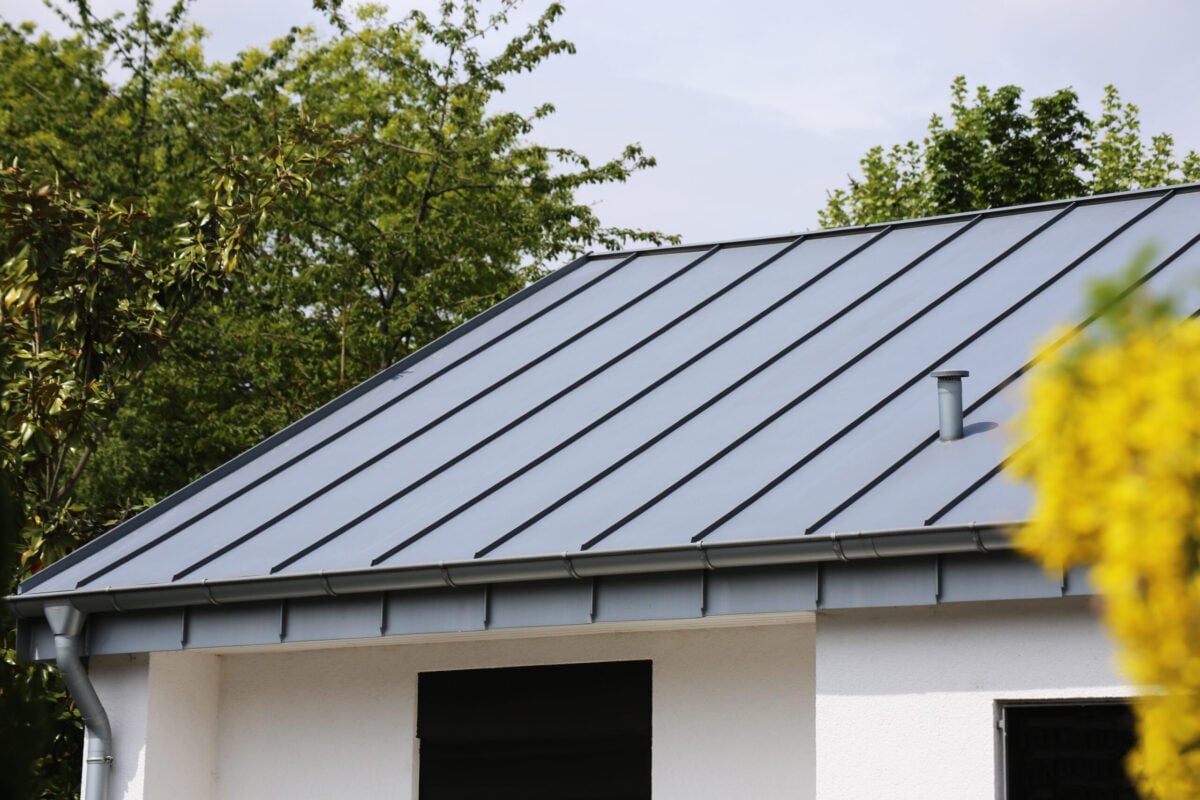
Standing seam metal roofing is a roofing system made of continuous metal panels that run vertically from the ridge of the roof down to the eaves. The panels are joined together by raised seams that are typically one to two inches high. These raised seams lock together and conceal the fasteners, which protects the roof from water penetration and enhances its durability.
What makes standing seam metal roofing unique is its ability to expand and contract with temperature changes without causing damage. The hidden fastener system allows movement while maintaining a watertight seal. This design significantly increases the lifespan of the roof compared to traditional roofing systems.
Why Standing Seam Metal Roofing Is Popular
The popularity of standing seam metal roofing continues to grow because it offers a balance of performance, aesthetics, and sustainability. One of the biggest advantages is its longevity. A properly completed standing seam metal roof installation can last 40 to 70 years or more with proper care.
Metal roofing is also highly resistant to extreme weather conditions such as heavy rain, strong winds, snow, and hail. It reflects solar heat, which helps reduce energy costs in warm climates. Additionally, standing seam metal roofs are available in various colors, finishes, and metal types, allowing customization for different architectural styles.
Materials Used in Standing Seam Metal Roof Installation
Choosing the right materials is critical for a successful standing seam metal roof installation. The most commonly used metals include steel, aluminum, copper, and zinc. Each material has unique properties that affect cost, durability, and appearance.
Steel panels are popular because they are strong and cost-effective, often coated with zinc or aluminum-zinc alloys for corrosion resistance. Aluminum is lightweight and ideal for coastal environments due to its resistance to rust. Copper and zinc are premium options known for their distinctive appearance and extremely long lifespan, although they come at a higher cost.
Underlayment, fasteners, clips, trim pieces, and sealants are also essential components. High-quality underlayment provides an extra layer of moisture protection, while specialized clips allow the panels to move with temperature changes.
Preparation Before Installation
Proper preparation is one of the most important steps in standing seam metal roof installation. The roof deck must be inspected to ensure it is structurally sound, clean, and dry. Any damaged or rotting sections should be repaired before installation begins.
Accurate measurements are taken to determine panel length and layout. Roof slope and pitch are evaluated because standing seam metal roofing performs best on roofs with a minimum slope requirement. Proper ventilation planning is also crucial to prevent moisture buildup and improve energy efficiency.
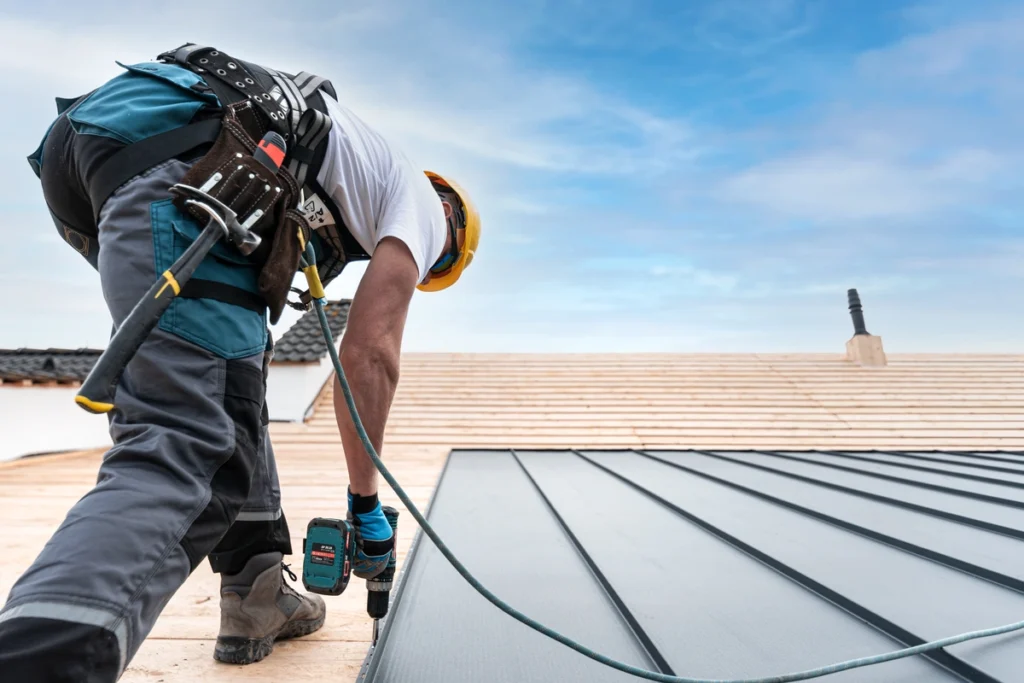
Safety planning should never be overlooked. Installers must use fall protection equipment and follow local building codes and manufacturer guidelines throughout the installation process.
Step-by-Step Standing Seam Metal Roof Installation Process
The process of standing seam metal roof installation follows a precise sequence to ensure durability and weather resistance.
The first step involves installing the underlayment across the entire roof deck. This layer acts as a moisture barrier and provides additional protection against leaks. Ice and water shield may be added in valleys, eaves, and other vulnerable areas.
Next, starter strips and edge trim are installed along the eaves and rake edges. These components provide a clean finish and help guide the placement of the metal panels.
Metal panels are then placed starting from one side of the roof and working across. Each panel is secured using concealed clips that are fastened to the roof deck. These clips hold the panels in place while allowing for thermal movement.
Once the panels are positioned, the seams are mechanically or snap-locked together depending on the system type. This step creates the signature raised seams that give the roof its name and watertight performance.
Finally, ridge caps, flashing, and trim pieces are installed to seal the roof and protect vulnerable areas such as valleys, chimneys, and vents. A final inspection ensures all components are properly secured.
Types of Standing Seam Systems
There are several types of standing seam systems used in standing seam metal roof installation, each with its own advantages.
Snap-lock systems are popular for residential applications because they are easier to install and do not require special seaming tools. Mechanical seam systems offer superior wind and water resistance and are commonly used in commercial projects. Batten seam systems provide a more traditional appearance and are often used in architectural designs.
Selecting the right system depends on climate, budget, roof design, and performance requirements.
Cost Factors to Consider
The cost of standing seam metal roof installation varies based on several factors. Material choice is a major influence, with steel being the most affordable and copper or zinc being the most expensive. Roof size, complexity, slope, and local labor costs also affect pricing.
While the initial cost may be higher than traditional roofing materials, standing seam metal roofing offers long-term savings through reduced maintenance, energy efficiency, and extended lifespan. When evaluated over time, it often proves to be a cost-effective investment.
Benefits of Standing Seam Metal Roofing
One of the biggest benefits of standing seam metal roof installation is durability. The concealed fastener system reduces the risk of leaks and corrosion. The raised seams prevent water infiltration even during heavy rainfall.
Energy efficiency is another significant advantage. Metal roofs reflect sunlight, reducing heat absorption and lowering cooling costs. They are also environmentally friendly, often made from recycled materials and fully recyclable at the end of their lifespan.
Additionally, standing seam metal roofs offer a clean, modern appearance that enhances property value and curb appeal.

Common Installation Mistakes to Avoid
Even the best materials can fail if installation is not done correctly. One common mistake in standing seam metal roof installation is improper fastening, which can restrict panel movement and cause warping. Inadequate underlayment or poor flashing installation can lead to leaks.
Ignoring manufacturer guidelines and local building codes can also result in performance issues and void warranties. Hiring experienced professionals and following best practices is essential to avoid costly mistakes.
Maintenance and Longevity
Standing seam metal roofing requires minimal maintenance compared to other roofing systems. Periodic inspections help identify minor issues such as debris buildup or sealant wear. Keeping gutters clean and ensuring proper drainage extends the roof’s lifespan.
With proper care, a professionally completed standing seam metal roof installation can provide decades of reliable protection without frequent repairs or replacements.
Ideal Applications for Standing Seam Metal Roofing
Standing seam metal roofing is suitable for a wide range of applications. It is commonly used in residential homes, commercial buildings, agricultural structures, and industrial facilities. Its versatility allows it to complement both modern and traditional architectural styles.
Because of its weather resistance and durability, it is particularly well-suited for areas prone to heavy rain, snow, or high winds.
Environmental and Energy Considerations
Sustainability is an important factor in modern construction. Standing seam metal roof installation supports green building practices by reducing waste and improving energy efficiency. Many metal roofing systems qualify for energy efficiency incentives and certifications.
By reducing cooling demands and using recyclable materials, standing seam metal roofing contributes to a lower environmental footprint.
Choosing the Right Contractor
Selecting a qualified contractor is critical for a successful standing seam metal roof installation. Look for professionals with experience in metal roofing systems, proper certifications, and positive customer reviews. A reliable contractor will provide detailed estimates, explain material options, and follow industry standards.
Quality workmanship ensures the roof performs as intended and maintains its appearance and functionality over time.
Conclusion
Standing seam metal roofing is a premium roofing solution that offers exceptional durability, energy efficiency, and aesthetic appeal. A well-planned and properly executed standing seam metal roof installation protects your property while adding long-term value.
By understanding the materials, installation process, costs, and maintenance requirements, you can confidently choose a roofing system that meets your needs. Whether for residential or commercial use, standing seam metal roofing remains one of the most reliable and future-proof roofing options available today.
Read More:- Standing Seam Metal Roof Panels: Benefits, Cost & Installation