
Introduction
Wine has been valued for centuries not only for its taste but also for the craftsmanship and patience required to produce it. As wine culture has expanded beyond traditional cellars into apartments and urban homes, the wine fridge has emerged as a practical and reliable solution for proper wine storage. Unlike a regular refrigerator, this specialized appliance is designed to maintain stable temperature, humidity, and light conditions that protect wine from premature aging or spoilage. Understanding how a wine fridge works and why it matters can completely change how wine is experienced at home. This article explores the science, design, usage, and long term value of owning a wine fridge while offering original insights that go beyond surface level buying advice.
The Purpose of Controlled Wine Storage
:max_bytes(150000):strip_icc()/sea-tier-3-cuisinart-8-bottle-private-reserve-cellar-black-nsimpson-2000-bd7e7091a7ff49fda4a5583aa869e29e.jpeg)
Wine is a living product that continues to evolve in the bottle. Temperature fluctuations, excessive dryness, vibration, and light exposure can all interfere with this evolution. A wine fridge provides an environment where these variables are carefully regulated. Stable temperature prevents chemical reactions from accelerating, while appropriate humidity keeps corks from drying out and allowing oxygen to enter the bottle. Darkness or UV resistant glass shields wine from harmful light. These combined factors create a controlled space that mimics traditional underground cellars in a modern, compact form.
How Temperature Stability Impacts Wine Quality
Temperature is the most critical factor in wine storage. Excess heat can cause wine to age too quickly, leading to flat flavors and loss of aroma. Cold temperatures can slow aging excessively and may even cause corks to contract. A wine fridge maintains a narrow temperature range that supports gradual and balanced aging. Unlike kitchen refrigerators that cycle frequently and create temperature swings, wine storage units are engineered for consistency. This stability is especially important for collectors who plan to store bottles for several years rather than weeks.
Single Zone and Dual Zone Cooling Systems
Wine storage needs can vary depending on personal preference and the types of wine being stored. Some appliances are built with a single cooling zone, offering one uniform temperature throughout the cabinet. This is ideal for those who focus on one type of wine or long term storage. Other models include dual zone systems that allow two different temperature settings within the same unit. This feature is beneficial for households that enjoy both red and white wines at their ideal serving temperatures. Choosing the right configuration depends on drinking habits and collection diversity rather than price alone.
The Role of Humidity in Wine Preservation


Humidity control is often overlooked but plays a crucial role in preserving wine. Corks are designed to create a tight seal that prevents oxygen from entering the bottle. When humidity is too low, corks can dry out and shrink, compromising the seal. Excess humidity, on the other hand, may encourage mold growth. A wine fridge is designed to maintain balanced humidity levels that keep corks supple without creating damp conditions. This balance is difficult to achieve in normal household environments, especially in climates with seasonal changes.
Vibration Reduction and Its Importance
Vibration can disturb the sediment in wine bottles and interfere with the aging process. Household appliances such as standard refrigerators generate frequent vibrations from compressors and fans. A wine fridge uses specialized components and shelving systems to minimize movement. Many models feature rubber mounted compressors and sliding shelves designed to absorb minor vibrations. Over time, this gentle handling preserves the structural integrity of wine and ensures flavors develop naturally without disruption.
Design and Aesthetic Integration in Living Spaces
Modern wine storage appliances are not only functional but also designed to complement interior spaces. Sleek finishes, glass doors, and soft interior lighting make them suitable for kitchens, dining rooms, and entertainment areas. The visual appeal of a wine fridge can enhance the atmosphere of a home while showcasing a curated collection. Design options range from compact countertop units to tall freestanding cabinets, allowing homeowners to choose a style that aligns with their space and decor preferences.
Understanding Capacity and Bottle Arrangement
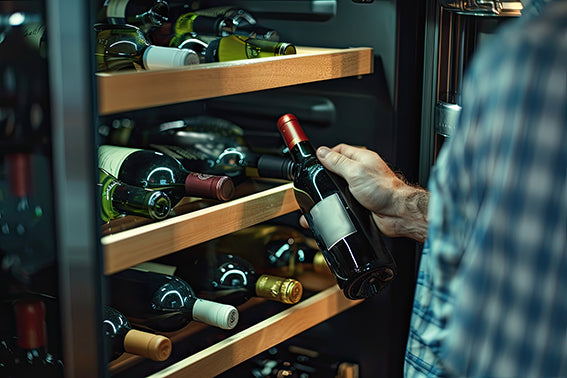
Capacity is often measured by the number of standard bottles a unit can hold, but real world storage may differ. Bottle shapes vary across regions and wine types, which can affect how many fit comfortably. Shelving design plays a significant role in maximizing usable space. Some shelves are adjustable to accommodate larger bottles such as champagne, while others are fixed for stability. Evaluating capacity realistically helps avoid overcrowding, which can restrict airflow and reduce cooling efficiency.
Energy Efficiency and Long Term Operation
Energy consumption is an important consideration, especially for appliances designed to run continuously. A wine fridge is built to maintain temperature efficiently without frequent cycling. Insulated walls, tight seals, and optimized compressors contribute to lower energy use compared to standard refrigerators. Over time, efficient operation reduces electricity costs and environmental impact. Buyers should consider long term performance rather than just upfront price when evaluating overall value.
Placement and Installation Considerations
Proper placement ensures optimal performance and longevity. Freestanding models require adequate ventilation space around the unit, while built in designs are engineered to vent from the front. Ambient room temperature can affect cooling efficiency, so placement away from heat sources is recommended. A wine fridge should be installed on a level surface to ensure doors seal correctly and internal components operate smoothly. Thoughtful installation prevents unnecessary strain on the cooling system.
Noise Levels and Living Comfort
Because wine storage appliances operate continuously, noise levels are an important factor for home comfort. Advances in compressor technology have significantly reduced operational noise. Many modern units are designed to operate quietly enough for living areas and open plan spaces. Choosing a model with low decibel ratings ensures that the presence of a wine fridge does not disrupt daily activities or relaxation.
Lighting and UV Protection
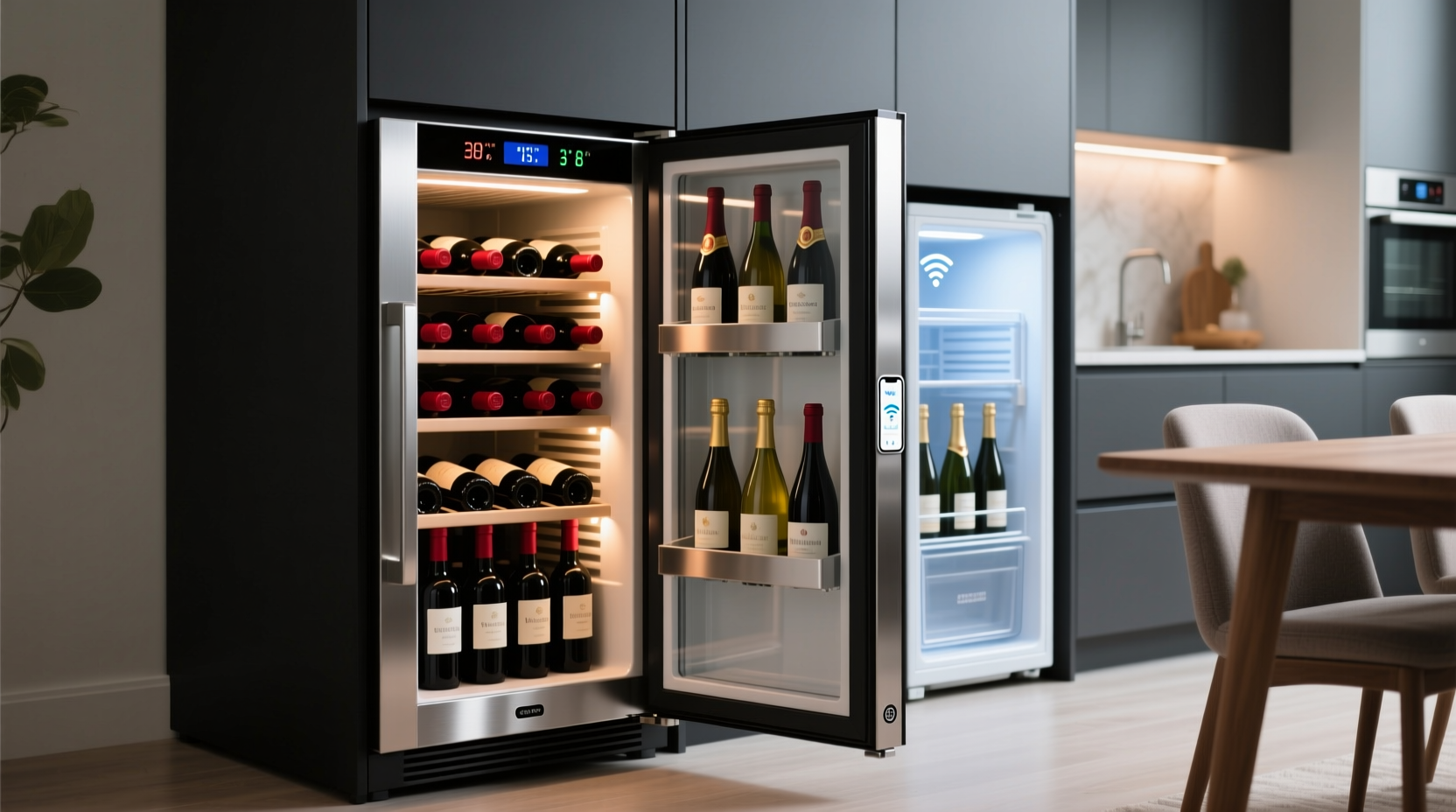
Light exposure can degrade wine by triggering chemical reactions that affect flavor and aroma. Specialized storage units use low heat LED lighting that provides visibility without generating excess warmth. Tinted or UV resistant glass doors further protect bottles from harmful rays. Interior lighting is often designed to turn off automatically, reducing unnecessary exposure while still offering an elegant display when needed.
Maintenance and Long Term Care
Maintaining a wine storage appliance is relatively simple but essential for consistent performance. Regular cleaning of shelves and door seals prevents odor buildup and ensures proper sealing. Checking temperature settings periodically helps maintain ideal conditions. Filters and vents should be kept clear to support efficient airflow. With proper care, a wine fridge can operate reliably for many years, protecting valuable collections over time.
Table One: Comparison of Wine Storage Temperature Ranges
| Wine Type | Ideal Storage Temperature | Purpose of Storage |
|---|---|---|
| Red Wine | 12 to 16 degrees Celsius | Balanced aging and flavor development |
| White Wine | 8 to 12 degrees Celsius | Preservation of freshness and acidity |
| Sparkling Wine | 6 to 10 degrees Celsius | Maintaining carbonation and structure |
| Dessert Wine | 10 to 14 degrees Celsius | Preventing sugar degradation |
The Science Behind Aging Wine at Home
Aging wine is a gradual chemical process influenced by oxygen exposure, temperature, and time. Proper storage slows oxidation while allowing subtle reactions to enhance complexity. A wine fridge creates an environment where these processes occur predictably rather than randomly. This predictability allows enthusiasts to plan when bottles reach their peak. Understanding this science transforms wine storage from guesswork into a deliberate and rewarding practice.
Wine Storage for Casual Drinkers Versus Collectors
Not every wine enthusiast has the same goals. Casual drinkers may focus on keeping bottles ready to enjoy at short notice, while collectors prioritize long term aging. A wine fridge can serve both purposes depending on size and configuration. Smaller units are ideal for immediate consumption, while larger cabinets support extended storage. Recognizing personal habits helps determine the most suitable features without unnecessary complexity.
Table Two: Wine Fridge Types and Their Best Use
| Type | Typical Capacity | Best Use Case |
|---|---|---|
| Countertop Unit | 6 to 12 bottles | Small spaces and occasional use |
| Freestanding Cabinet | 20 to 50 bottles | Home enthusiasts and mixed collections |
| Built In Model | 30 to 100 bottles | Seamless kitchen integration |
| Large Capacity Cabinet | 100 plus bottles | Serious collectors and long term aging |
The Economic Value of Proper Wine Storage
Wine represents both a sensory experience and a financial investment. Improper storage can reduce value by compromising quality. A wine fridge protects that investment by preserving taste, aroma, and structure. Over time, preventing spoilage and maintaining optimal aging conditions can save money that would otherwise be lost to damaged bottles. This makes proper storage a financially sound decision as well as a practical one.
Common Misconceptions About Wine Refrigeration
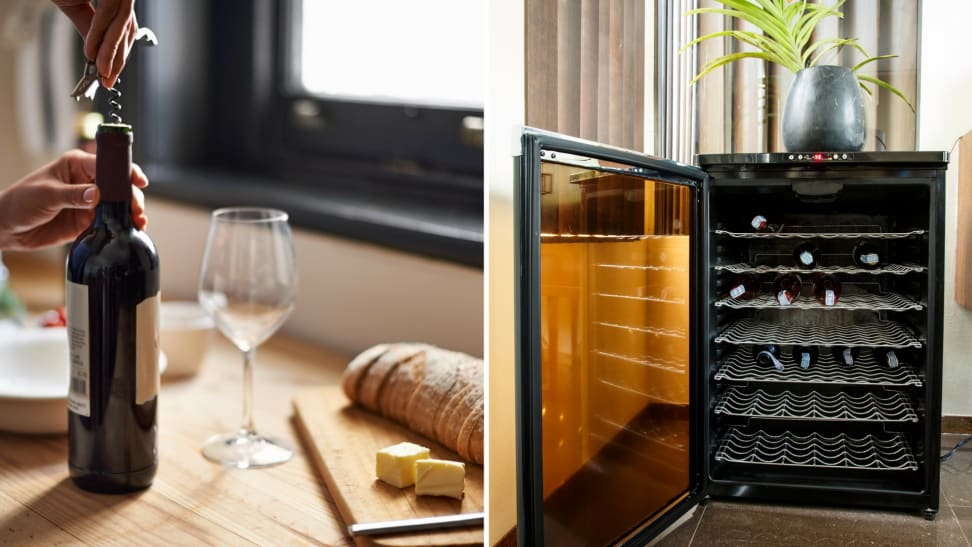
One common belief is that a regular refrigerator is sufficient for wine storage. While it may work temporarily, long term use can dry corks and expose wine to vibration and inconsistent temperatures. Another misconception is that only expensive wines require proper storage. In reality, even modest bottles benefit from stable conditions. A wine fridge supports quality across all price ranges, enhancing enjoyment regardless of collection size.
Adapting Wine Storage to Different Climates
Climate plays a significant role in storage challenges. Hot and humid regions can accelerate aging and promote mold, while dry climates may dry corks quickly. A wine fridge provides consistency regardless of external conditions. This adaptability makes it especially valuable in areas where traditional cellar conditions are difficult to achieve naturally.
The Emotional Experience of Curated Wine Storage
Beyond technical benefits, there is an emotional satisfaction in curating and preserving a wine collection. Opening a well stored bottle at the right moment enhances appreciation for both the wine and the care taken to protect it. A wine fridge becomes part of the ritual, connecting everyday living with craftsmanship and tradition.
Future Trends in Wine Storage Technology
Innovation continues to shape home wine storage. Smart temperature controls, digital displays, and app based monitoring are becoming more common. These advancements allow users to track conditions remotely and receive alerts if changes occur. As technology evolves, the wine fridge will continue to combine tradition with modern convenience, making proper storage more accessible than ever.
Conclusion
A wine fridge is more than an appliance; it is a tool that preserves quality, protects investment, and enhances enjoyment. By maintaining stable temperature, humidity, and light conditions, it supports the natural aging process that defines great wine. From casual drinkers to serious collectors, the benefits extend across lifestyles and preferences. Understanding how design, science, and usage come together helps consumers make informed decisions and appreciate the value of proper storage. With thoughtful selection and care, a wine fridge becomes an essential companion in the journey of wine appreciation.
Read More:- Samsung Bespoke Fridge Design Innovation for Modern Homes Today!