
Introduction
Architecture has always changed to meet the demands of people, changes in culture, and advances in technology. One of the biggest changes in recent years has been the rise of immersive design strategies that put people at the center of spatial experiences. advancements immersive experience kdarchitects stand out as one of the leaders of this change because they can combine new ideas, environmental responsibility, and emotional connection. This method goes beyond building structures; it makes places that affect individuals on a sensory, psychological, and functional level.
Immersion in architecture means creating places that totally engage people through light, music, texture, movement, and digital interactivity. Advancements in immersive experience kdarchitects stress the importance of communicating stories through space, which lets architecture change in real time based on how people use it. As cities get more crowded and people’s lives get more complicated, immersive experiences are no longer just nice-to-haves; they are now necessary parts of good design.
The Idea of Immersive Architecture in Modern Design
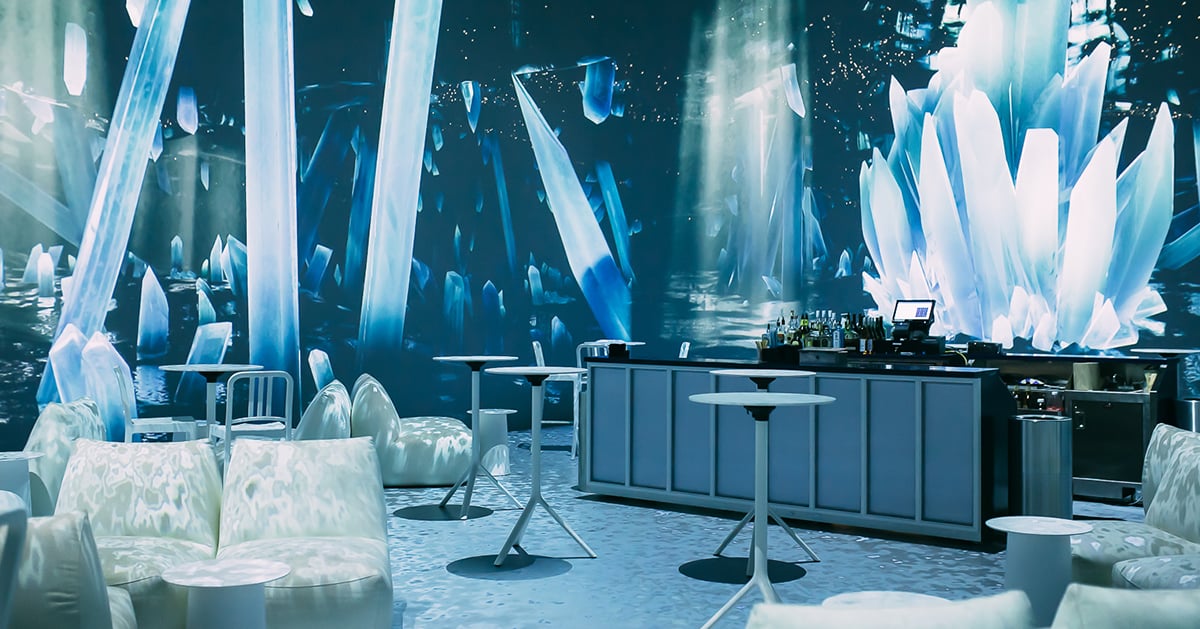
The idea behind immersive architecture is that people should not merely look at spaces, but also feel them. This idea combines physical design with emotional resonance to make sure that users feel connected to their environment. advancements immersive experience kdarchitects focus on creating spaces where every part works together to tell a story.
Immersive architecture changes the way people interact with buildings by using things like lighting and sound to change the ambiance of a room or space. For example, entryways that slowly reveal depth of space. The focus is on continuity, flow, and sensory balance, which makes sure that places are easy to understand and remember.
The Historical Development of Immersive Design Practices
Immersive design may seem like a new thing, yet it has its origins in ancient architecture. The size, shape, and decoration of temples, palaces, and public areas were meant to make people feel awe and respect. As time went on, industrialization changed architecture to focus on efficiency and usefulness, which often hurt the quality of the experience.
The return of immersive principles in modern practice is a return to design that focuses on people. Advancements in immersive experience kdarchitects take ideas from the past and mix them with new technologies to make spaces that are both timeless and forward-looking.
How technology helps improve immersive experiences

Technology is a key part of making immersive experiences. Architects can see and improve experiences before they start building thanks to digital modeling, virtual simulations, and smart building technologies. advancements immersive experience kdarchitects utilize these techniques to guess how people will move around and engage with spaces.
Interactive surfaces, adaptive lighting systems, and responsive materials make settings more immersive by letting them change in real time. Technology becomes an unseen partner in design, helping with comfort, efficiency, and engagement without getting in the way.
Sensory Engagement as an Important Design Principle
One of the most important things about immersive architecture is that it focuses on the senses. To make whole settings, sight, sound, touch, and even smell are all taken into account. Advancements in immersive experiences kdarchitects put a lot of thought into how to balance the senses so that no one part of the experience stands out.
Natural light is employed to direct movement and set the rhythm of places. Acoustic design reduces noise pollution while making things clearer and more comfortable. Choosing materials adds tactile richness, which strengthens the emotional link between people and location.
Long-term viability Combined with Immersive Design
When carefully combined, sustainability and immersion are not at odds with each other; they work together. Advancements immersive experience kdarchitects stress eco-friendly methods that also make the user experience better. Passive design principles, such optimizing natural light and ventilation, use less energy and make people more comfortable.
Using green materials, technologies that use less water, and layouts that respond to the weather all make places healthier. When sustainability and immersion are in sync, architecture is both good for the environment and full of experiences.
Spaces for People and Emotional Well-Being
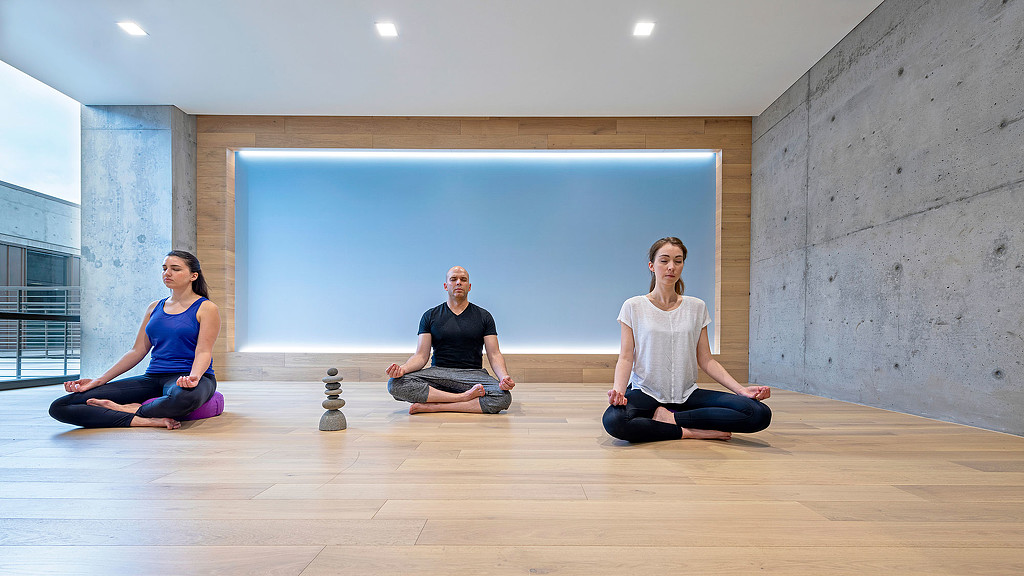
Architecture has a big effect on mental and emotional health. Immersive places can help people feel less stressed, make friends, and feel like they belong. Advancements in immersive experience kdarchitects design with empathy, taking into account how spaces affect behavior and mood.
Layouts that make it easy for people to walk about, see nature, and use the space in different ways support a wide range of lifestyles. These settings change to fit the needs of the people who use them, which is in line with the human-centered philosophy of immersive design.
Immersive Public Spaces in Cities
Immersive architecture is very important for public life in cities. Streets, plazas, and community centers become places where people may meet and talk. Advancements immersive experience kdarchitects focus on making public spaces that people want to use and be a part of.
Urban areas become more unique and lively when they are carefully zoned, include interactive features, and have cultural references. Immersive public architecture brings people together and makes living in cities better overall.
Personalized Immersion and Residential Architecture
Homes are very personal places, and immersive design lets people show off their unique style while still being useful. Advancements in immersive experience kdarchitects take on residential buildings with an emphasis on making them unique and flexible.
Homes may change with the requirements of the people who live in them because to spatial layering, adjustable partitions, and built-in technology. Immersive residential design makes everyday life an ongoing, enriching experience.
Immersive Environments for Business and Workplaces
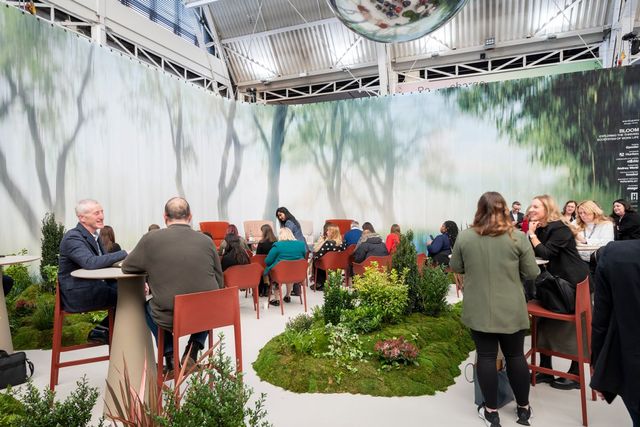

Immersive design principles are quite helpful for businesses and offices. Spatial quality has an effect on productivity, creativity, and working together. Advancements immersive experience kdarchitects make work spaces that encourage creativity while also promoting health and focus.
Biophilic elements, ergonomic design, and interactive areas all help to create a good work environment. In business settings, immersive experiences can build brand identity and get customers more involved, making venues more memorable and useful.
Cultural and educational spaces as immersive platforms
Museums, galleries, and schools employ immersive experiences a lot to get their concepts across. Advancements in immersive experience kdarchitects construct cultural venues that inspire exploration and learning through spatial narrative.
Exhibition layouts, controlled lighting, and interactive paths let people follow stories. In educational settings, architecture itself becomes a teaching instrument, making the space itself a dynamic platform.
Table 1: Important Parts of Immersive Architectural Design
| Design Element | Description | Impact on Users |
|---|---|---|
| Sensory Integration | Use of light, sound, and texture | Enhanced emotional engagement |
| Adaptive Technology | Smart systems and responsive materials | Improved comfort and interaction |
| Spatial Flow | Seamless transitions between areas | Intuitive navigation |
| Sustainability | Eco-friendly materials and systems | Healthier environments |
Problems in Putting Immersive Architecture into Action
Immersive architecture has its pros and cons, though. Planning carefully is needed to find the right balance between technology and simplicity. Advancements immersive experience kdarchitects deal with these problems by working together across fields and using iterative design approaches.
Cost, upkeep, and how easy it is for users to adjust are all well thought out. Successful immersive design finds a balance between new ideas and useful ones.
Trends for the Future of Immersive Architectural Experiences
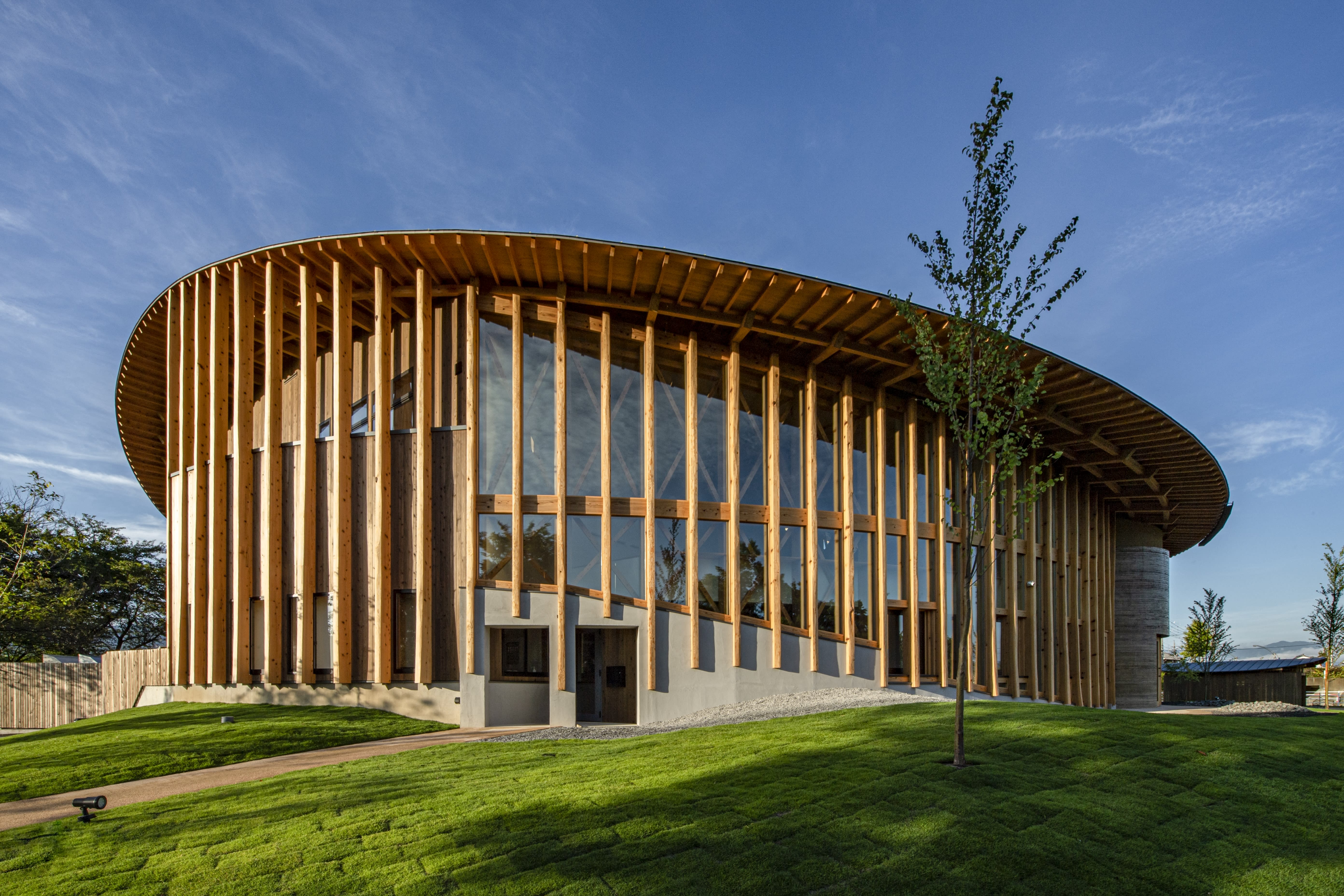
The future of architecture is in bringing the digital and physical worlds closer together. Advancements in immersive experiences include things like augmented reality overlays, AI-driven customisation, and new, more environmentally friendly materials.
As people’s expectations change, immersive experiences will become easier to use and more welcoming. Architecture will keep changing to keep up with changes in culture, technology, and the environment.
Table 2: Now vs. Later Immersive Design Approaches
| Aspect | Present Approach | Future Direction |
|---|---|---|
| Technology | Smart systems integration | AI-driven adaptive spaces |
| Sustainability | Energy-efficient design | Regenerative architecture |
| User Interaction | Predefined experiences | Personalized environments |
| Materials | Innovative composites | Bio-engineered materials |
The Importance of Working Together in Immersive Design
Collaboration between architects, engineers, designers, and users is what makes immersive architecture work. advancements immersive experience kdarchitects stress collaborative design techniques that include feedback at every step.
This collaborative method makes sure that areas are not only visually appealing but also useful. The end result is architecture that speaks to its users on many levels.
In conclusion, immersion is changing the way we think about architecture.
Immersive architecture is a new way of thinking about and experiencing places. By putting people first, sustainability, and new ideas, immersive experience kdarchitects changes the way architecture works in modern life.
These improvements go beyond looks and make spaces that promote health, encourage connection, and spark conversation. As the built world changes, immersive experiences will continue to be an important part of good and responsible architectural design.
Read More:- Sustainable and Innovative KDArchitects Shaping Future Design