
Introduction
Flooring plays a crucial role in defining the comfort, appearance, and durability of any home or commercial space. Among modern flooring options, luxury vinyl plank has gained massive popularity for its balance of beauty, performance, and affordability. Many homeowners and property managers often ask what is LVP flooring, especially when searching for a solution that combines style with practicality. This detailed guide explains everything you need to know about LVP flooring, from its structure and benefits to installation, maintenance, and long-term value.
Understanding What LVP Flooring Means
To fully understand what is LVP flooring, it helps to break down the term. LVP stands for Luxury Vinyl Plank, a synthetic flooring material designed to replicate the appearance of natural hardwood while offering superior durability and water resistance. Unlike traditional vinyl sheets of the past, modern LVP flooring comes in plank form, closely resembling real wood boards in size, texture, and grain detail.
Luxury vinyl plank is engineered using multiple layers that work together to provide strength, comfort, and visual appeal. This layered construction is what separates LVP from standard vinyl flooring and makes it suitable for both residential and commercial use.
The Core Structure of LVP Flooring
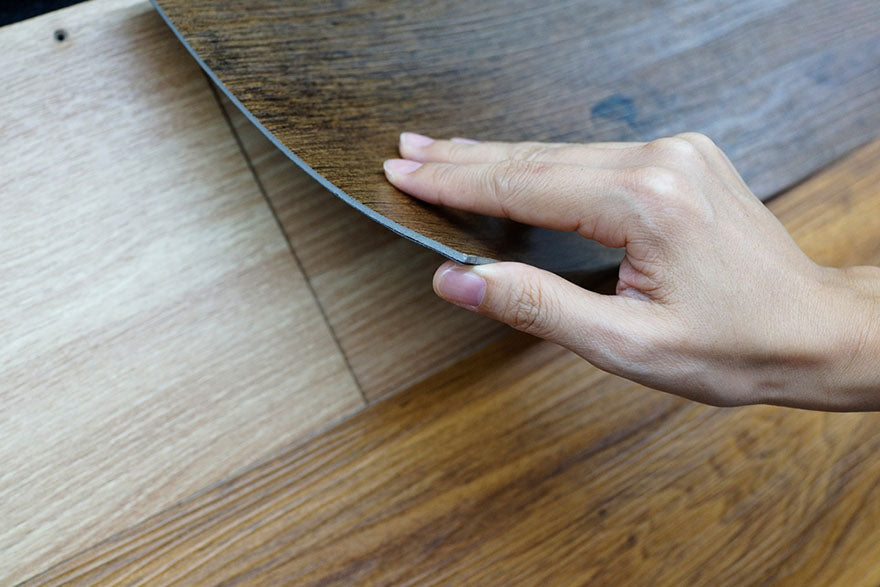
When explaining what is LVP flooring, it is essential to understand its internal structure. Most LVP products are made with four primary layers. The top layer is a protective wear layer that resists scratches, stains, and daily wear. Beneath that lies a printed design layer, which gives LVP its realistic wood appearance. Advanced printing technology allows this layer to mimic wood grains, knots, and color variations with impressive accuracy.
The core layer provides stability and strength. Many modern LVP options use rigid cores, such as SPC or WPC, which enhance durability and reduce expansion from temperature changes. The bottom layer is a backing layer that adds comfort underfoot and helps with sound absorption. This layered design ensures long-lasting performance in various environments.
Why LVP Flooring Has Become So Popular
One major reason people research what is LVP flooring is its rising popularity across homes, offices, and retail spaces. LVP flooring offers the beauty of hardwood without the drawbacks associated with moisture sensitivity, high costs, and ongoing maintenance. It performs well in high-traffic areas, making it ideal for families, pets, and busy commercial settings.
Another reason for its popularity is versatility. LVP flooring is available in a wide range of colors, plank sizes, and wood styles, from classic oak and maple to modern gray and distressed finishes. This allows homeowners to match nearly any interior design theme.
:max_bytes(150000):strip_icc()/plank-vinyl-for-self-install-floor-covering-1821633-481f81f35cee46f19ff4df2fe0b0caf1_1-c64854cc3ce441a084dab7971e6a9aae.jpg)
LVP Flooring vs Traditional Hardwood
A common comparison arises when discussing what is LVP flooring versus real hardwood. While hardwood is undeniably elegant, it requires regular maintenance, refinishing, and protection from water damage. LVP flooring, on the other hand, offers excellent water resistance, making it suitable for kitchens, bathrooms, and basements where hardwood is not recommended.
Additionally, LVP flooring is more budget-friendly. The cost of materials and installation is significantly lower than hardwood, while still delivering a premium appearance. LVP also provides better resistance to dents and scratches, which is especially beneficial in homes with children or pets.
Water Resistance and Durability Advantages
Durability is one of the strongest selling points when answering what is LVP flooring. Most luxury vinyl plank products are either water-resistant or fully waterproof, depending on the core and locking system. This makes LVP an excellent choice for areas prone to spills or humidity.
The wear layer thickness determines how well LVP flooring resists scratches and scuffs. Thicker wear layers are ideal for high-traffic areas and commercial environments. Unlike hardwood, LVP does not warp or swell when exposed to moisture, making it a reliable long-term flooring solution.
Installation Methods Explained
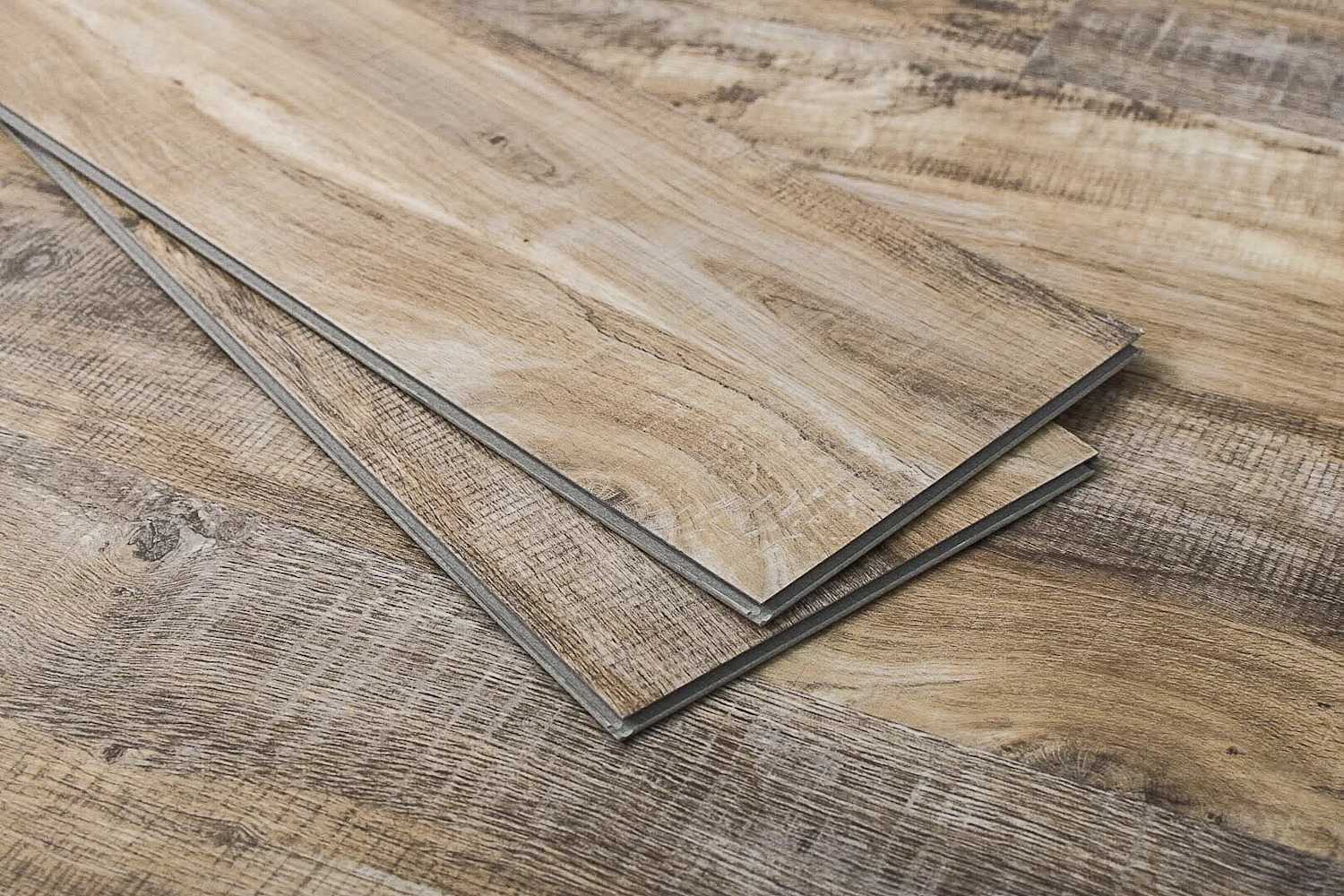
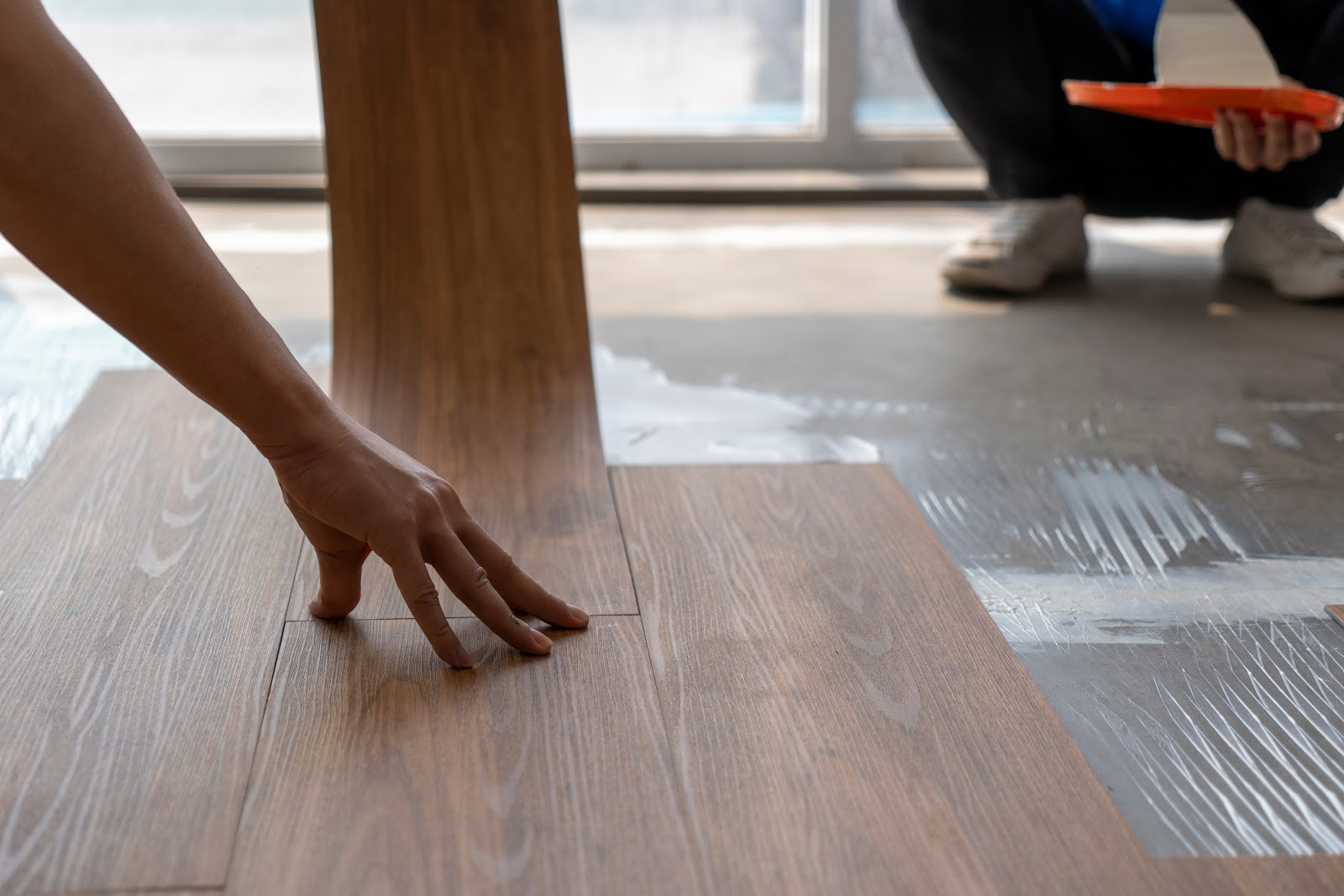
Another important aspect of what is LVP flooring is how it is installed. LVP flooring typically features a click-lock system that allows planks to snap together without glue or nails. This floating floor installation method makes LVP suitable for both professional installers and skilled DIY homeowners.
LVP flooring can be installed over many existing surfaces, including concrete, plywood, and some types of old flooring, as long as the subfloor is clean and level. This reduces preparation time and installation costs compared to traditional flooring materials.
Comfort and Sound Performance
When people ask what is LVP flooring, they are often surprised to learn how comfortable it feels underfoot. Unlike tile or stone, LVP has a slight flexibility that makes standing and walking more comfortable. Many products also include built-in underlayment, which improves sound insulation and reduces noise transfer between floors.
This comfort factor makes LVP flooring an excellent choice for bedrooms, living rooms, and multi-story homes where noise reduction is important.
Maintenance and Cleaning Requirements
Understanding what is LVP flooring also involves knowing how easy it is to maintain. LVP flooring requires minimal upkeep compared to hardwood or carpet. Regular sweeping or vacuuming removes dirt and debris, while occasional damp mopping keeps the surface clean.
There is no need for waxing, polishing, or refinishing. The protective wear layer ensures that the flooring maintains its appearance for many years, even in busy households. This low-maintenance feature is one of the biggest advantages of luxury vinyl plank flooring.
Cost and Value Considerations
Cost plays a major role when homeowners research what is LVP flooring. LVP flooring is generally more affordable than hardwood and many tile options. Pricing varies depending on thickness, wear layer quality, and brand, but it remains a cost-effective choice for high-quality flooring.
In terms of value, LVP flooring offers excellent return on investment. Its durability, water resistance, and visual appeal can enhance property value and attract buyers, especially in modern real estate markets.
Environmental and Design Innovations
Modern discussions around what is LVP flooring often include sustainability and innovation. Many manufacturers now produce LVP flooring with low VOC emissions, making it safer for indoor air quality. Some products also incorporate recycled materials, reducing environmental impact.
Design technology continues to evolve, with embossed textures and high-definition printing that make LVP nearly indistinguishable from real wood. These advancements have elevated luxury vinyl plank from a budget alternative to a premium flooring choice.
Ideal Spaces for LVP Flooring
LVP flooring is suitable for almost every room in a home. Kitchens, bathrooms, basements, living rooms, bedrooms, and hallways all benefit from its water resistance and durability. Commercial spaces such as offices, retail stores, and hotels also use LVP flooring due to its resilience and professional appearance.
Because of its versatility, LVP flooring adapts well to both traditional and contemporary interior designs.
Conclusion on LVP Flooring
By now, you should have a clear understanding of what is LVP flooring and why it has become one of the most popular flooring solutions available today. It offers the look of hardwood, superior durability, water resistance, comfort, and affordability all in one product. Whether you are renovating a home, upgrading a rental property, or designing a commercial space, luxury vinyl plank flooring provides a reliable and stylish option that meets modern demands.
Read More:- Best LVP Flooring: A Complete Guide to Choosing the Perfect Option