
Introduction
When choose a surface for your home or business, looks aren’t the only thing that matters. Long-term value, comfort, durability, and sustainability are all important. Linoleum flooring has been around for more than a hundred years, and it is still popular since it is made of natural materials, lasts a long time, and looks good no matter what. It has gotten more attention in recent years as homeowners and designers look for eco-friendly materials that are both useful and stylish. This in-depth guide covers all you need to know, including where it came from, how it is made, its benefits, how flexible it is in terms of design, how to install it, how to care for it, and how it stacks up against other flooring options.
Knowing where it came from and what it’s made of
Knowing where this stuff originates from and what it’s made of will help you comprehend how valuable it is. Linoleum flooring was made in the late 1800s as a natural replacement for oilcloth. Linseed oil, cork dust, wood flour, pine resin, and mineral fillers are its main constituents. They are all pressed into a jute backing. These parts work together to make a surface that is thick but flexible, can be broken down by nature, and can be used again.
Linseed oil is especially significant because it oxidizes over time, making a protective surface that gets harder and stronger as it ages. This natural process is why many older systems still work properly decades later. This composition doesn’t use petroleum-based polymers like synthetic materials do, so it’s a better choice for people who want to lower their carbon footprint.
Important Benefits That Set It Apart
People chose this material mostly because of the long list of benefits it offers. Linoleum floors are noted for lasting a long time, often 30 to 40 years if they are taken care of. It is better at resisting scratches and dents than many soft surfaces, so it is good for areas with a lot of foot traffic, like kitchens, hallways, and offices.
Its inherent antimicrobial property is another big plus. Linseed oil is a good choice for homes, schools, and healthcare settings since it has antibacterial properties that stop germs and mold from growing. Another good thing is that the surface is comfortable because it has a modest cushioning effect underfoot, which makes standing for long periods of time less painful.
Also, the color goes all the way through the cloth instead of just being printed on the surface. This means that little scratches are less obvious and the overall look stays the same over time. These benefits, together with its eco-friendly character, are why it is still popular in both old and new spaces.
Effects on the environment and long-term viability
When building or renovating nowadays, sustainability is a big deal. Linoleum flooring is great for this because it is made from natural and renewable materials. Flax plants grow quickly and don’t need a lot of resources, thus linseed oil originates from them. Cork dust and wood flour are commonly leftovers of other businesses, which cuts down on waste.
Unlike many synthetic materials that end up in landfills for hundreds of years, this substance can break down naturally at the end of its life. It also tends to release fewer volatile organic compounds during manufacture, which makes the air inside nicer. This material strikes a good balance for homeowners who want to be environmentally responsible without giving up performance.
Aesthetic Appeal and Design Flexibility
Some people think of this type of flooring as having muted colors or being used in institutional settings, however contemporary production has opened up a lot of new design options. You may find linoleum floors in a lot of different hues, from soft neutrals to bright, bold ones. Patterns might seem like stone, be abstract, or be made up of shapes, which lets people be creative.
The colors are built into the material, so they stay rich even after years of use. Designers typically use this ability to make unique inlays or borders that make rooms look more interesting without using extra materials. This surface can go in with a lot of different forms of home decor, whether you like a simple design or a more expressive one.
.jpg)
Where It Works Best in the House
When deciding where to use this material, practicality is quite important. Linoleum flooring works very well in kitchens, where spills, dampness, and a lot of foot activity are prevalent. When the seams are sealed correctly, it is water-resistant, which helps protect the subfloor and makes it easier to clean.
It can also be useful in bathrooms because it can handle moisture and is easy to clean. However, it is best to get an expert to install it to make sure the seal is correct. Its warmth and comfort make living rooms and bedrooms better places to be. It feels quieter and softer than tile or stone. Its longevity and easy maintenance make it a good choice for every room in the house, even home offices.
Things to think about before installing
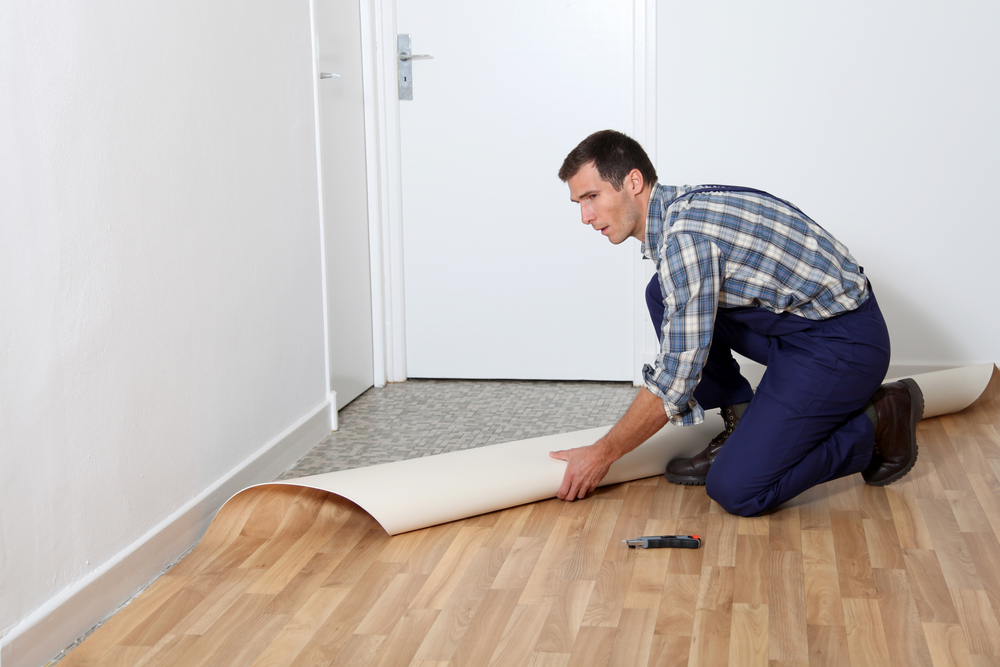
For long-term performance, it is important to install it correctly. Linoleum flooring usually comes in sheets, tiles, or planks, and each type has its unique way of being put down. The subfloor needs to be smooth, dry, and level because flaws might show through the material over time.
Professional installation is often recommended, especially for sheet styles, because cutting and welding seams accurately takes skill. The glue must be spread out evenly, and the material should be left to adjust to the room’s temperature and humidity before being put in place. This could cost more up front, but it greatly lowers the chance of problems like curling edges or seams that show up later.
Long-Term Care and Maintenance
One of the best things about this surface is how easy it is to take care of. To get rid of dirt and grit that could wear down linoleum flooring, all you have to do is sweep or vacuum it regularly. Using a light, pH-neutral cleaner and a damp mop will keep it looking good without hurting the surface.
Sealing or polishing it every now and again can make its protective layer stronger and bring back a subtle shine, especially in places with a lot of foot traffic. Don’t use harsh chemicals or rough instruments because they can remove the protective finish. With regular maintenance, the material gets a natural patina that makes it look better instead of worse.
Putting It Next to Other Flooring Choices
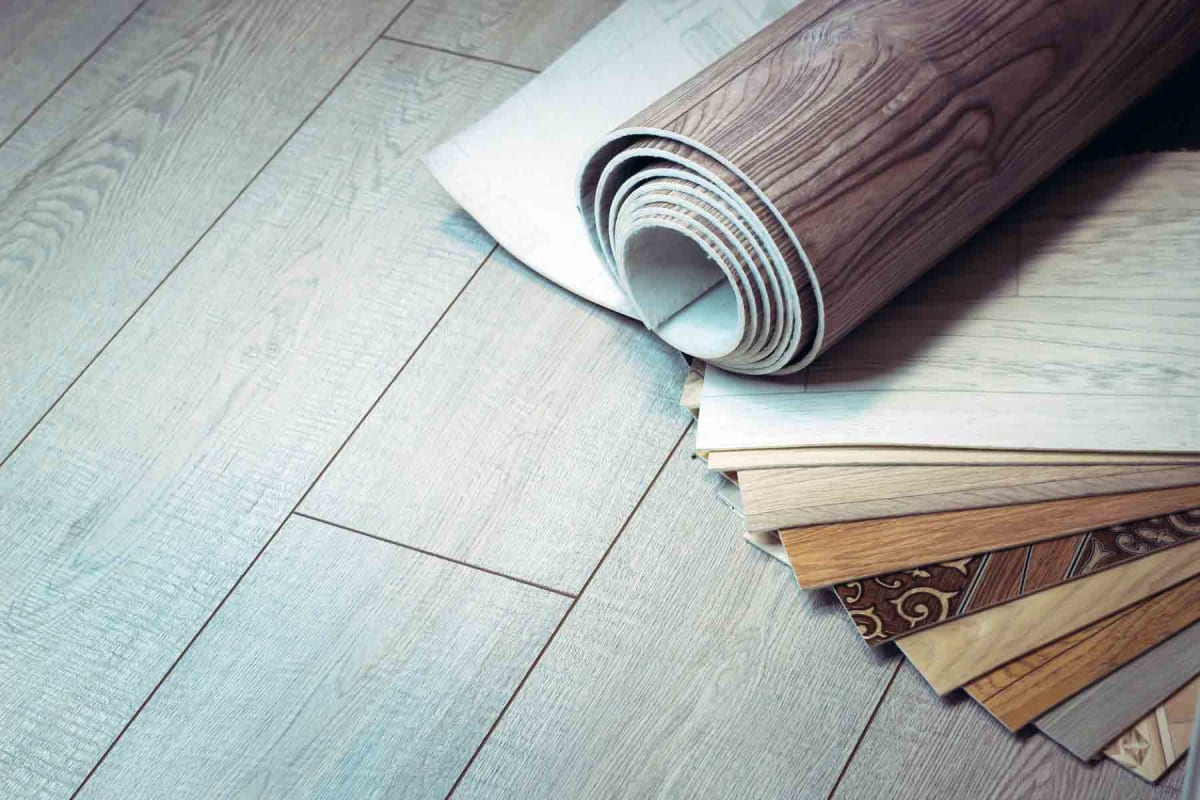
When looking at several materials, it’s helpful to see how this one stacks up. People commonly mix up linoleum with vinyl flooring, but they are very different. Vinyl is created from synthetic materials and oil, while linoleum is made from natural materials. Vinyl may be cheaper at first, but it usually doesn’t last as long or have as many environmental benefits as linoleum.
Linoleum is easier to care for and more resistant to moisture than hardwood, but it doesn’t have the natural grain and prestige of wood. Tile is quite water-resistant, but it can feel cold and hard underfoot. Linoleum, on the other hand, is warm and comfortable. Each choice has its pros and cons, but this one is the best for people who want something that will last, is good for the environment, and is comfortable all at the same time.
Cost and value over time
The initial price may be different based on the brand, design, and how it is installed. Linoleum flooring may cost more at first than standard vinyl, but it is frequently cheaper in the long run because it lasts longer and doesn’t need to be replaced as often. Because it lasts a long time, it needs fewer renovations, which saves money and resources in the long run.
It doesn’t need special treatments or frequent refinishing, thus maintenance costs are also rather modest. It has a lot of value for both homes and businesses when you think of it as a long-term investment instead of a short-term cost.
Conclusion on Picking the Right Surface
When choosing the best flooring, you need to think about how it looks, how well it works, how it affects the environment, and how much it costs. Linoleum flooring has lasted for a long time because it combines these elements into one durable solution. It can be used for many things because it is made of natural materials, lasts a long time, can be designed in many ways, and is comfortable.
This material is a great option for homeowners who want to be environmentally friendly without giving up design or durability. It can make a space appear and work better for decades if it is installed and cared for correctly. This shows that traditional materials can still satisfy current needs.
Read More:- Linoleum Flooring Rolls: Benefits, Uses, Costs & Buying Guide